 KURENIVKA
Highlights
The year at a glance. Tap a moment to read its part of the story.
70
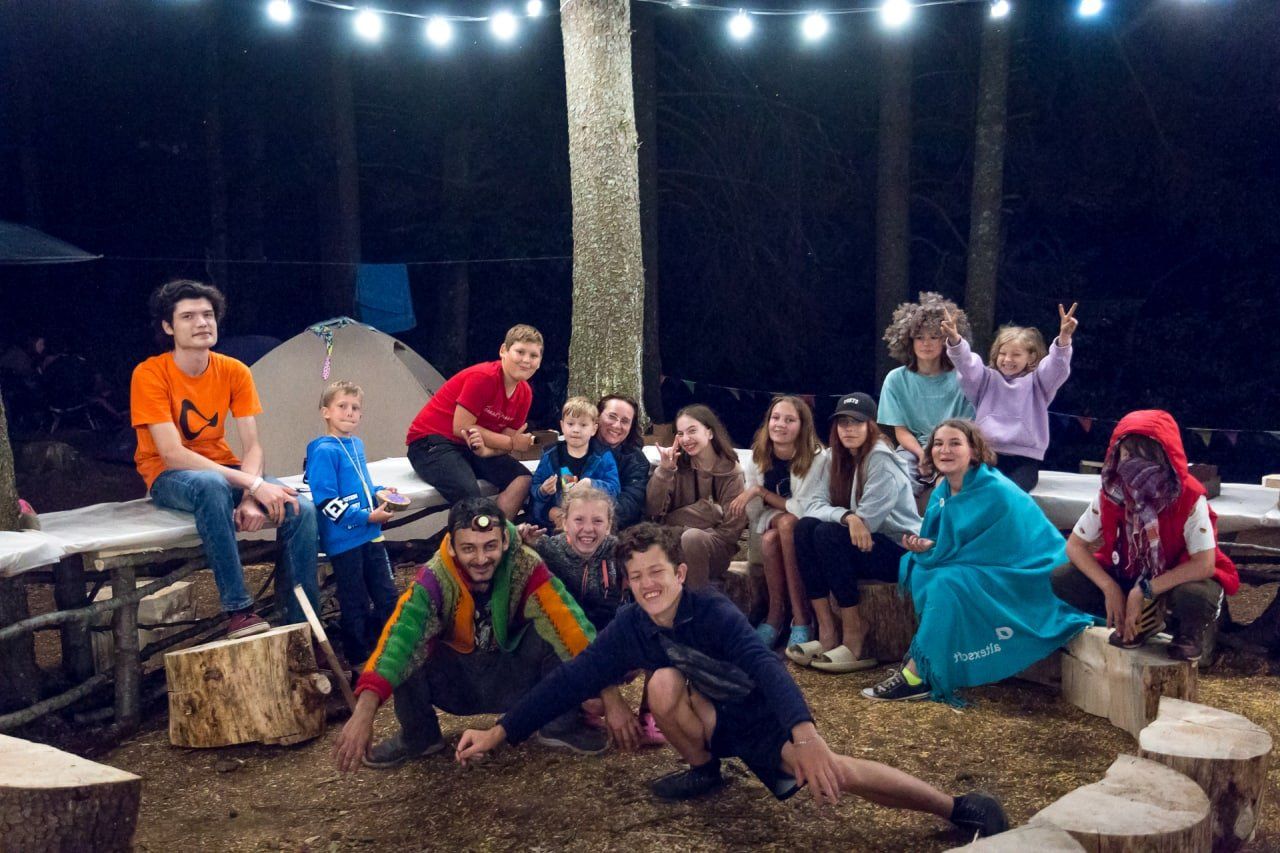
children aged 4 to 16
100+
people in the camp
3
weeks in the Carpathians
“Build some fun for the children”
On the second day of the full-scale invasion, Yaro wrote to Steven Raspa of Burning Man from Odesa, where he and Ella were at the time. As director of a property management company, Yaro was turning basements into bomb shelters for the 1,500 families in the buildings his company ran, with backup power and backup communications. The Burning Man experience, he wrote, turned out to be useful.
Steven wrote back: “Try to build some fun wherever possible for the children — and everyone.” Ukrainian Burners also launched the Refugee Support Initiative, connecting burners worldwide with people who had to leave home.
In early March, once everyone was safe, the camp met online and decided together to cancel Burning Man that year. Almost everyone was busy defending the country: some joined the Armed Forces, some volunteered or joined the IT Army, some bought armour and helmets, some worked on the refugee initiative.
A small country for children
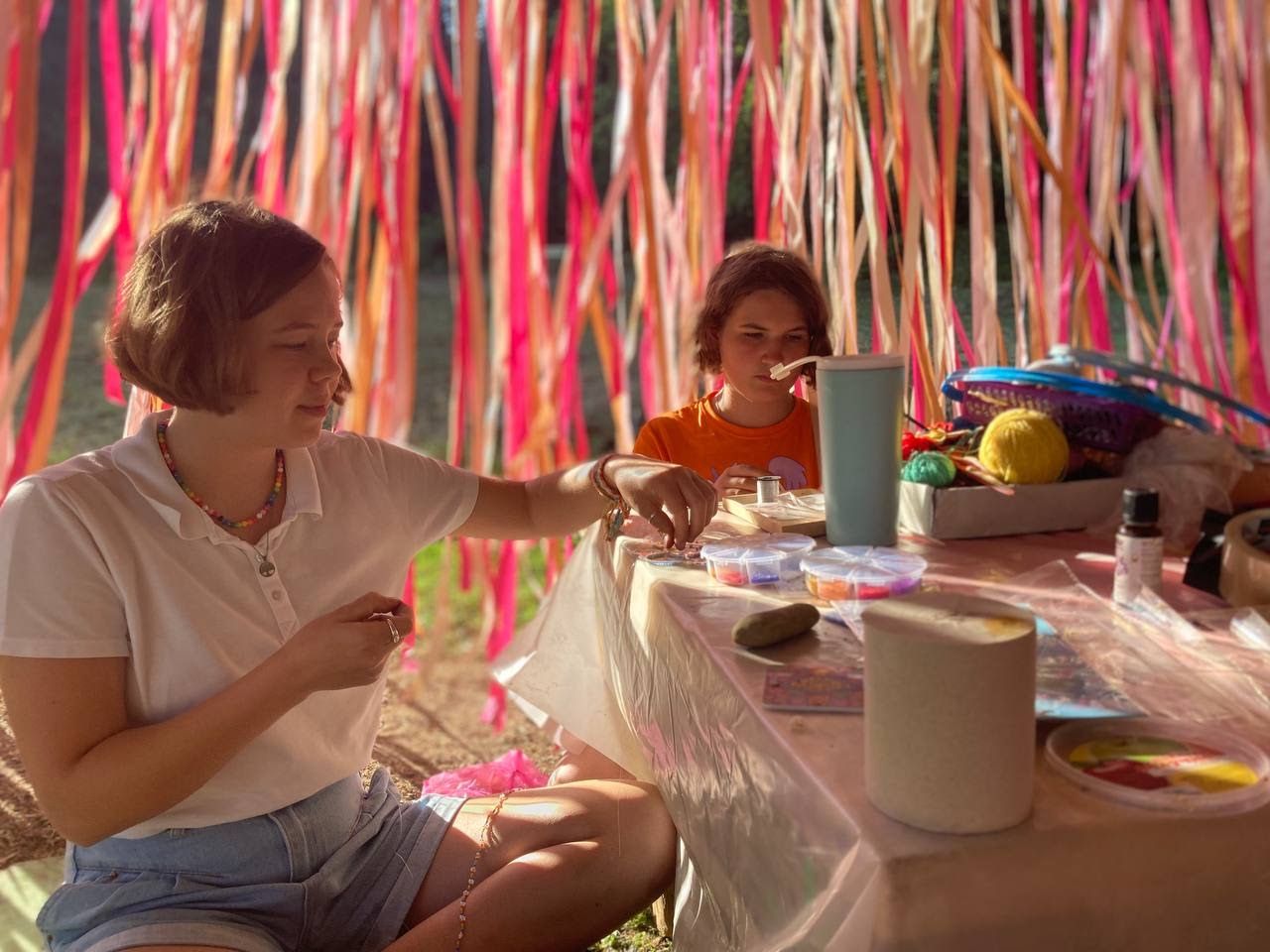
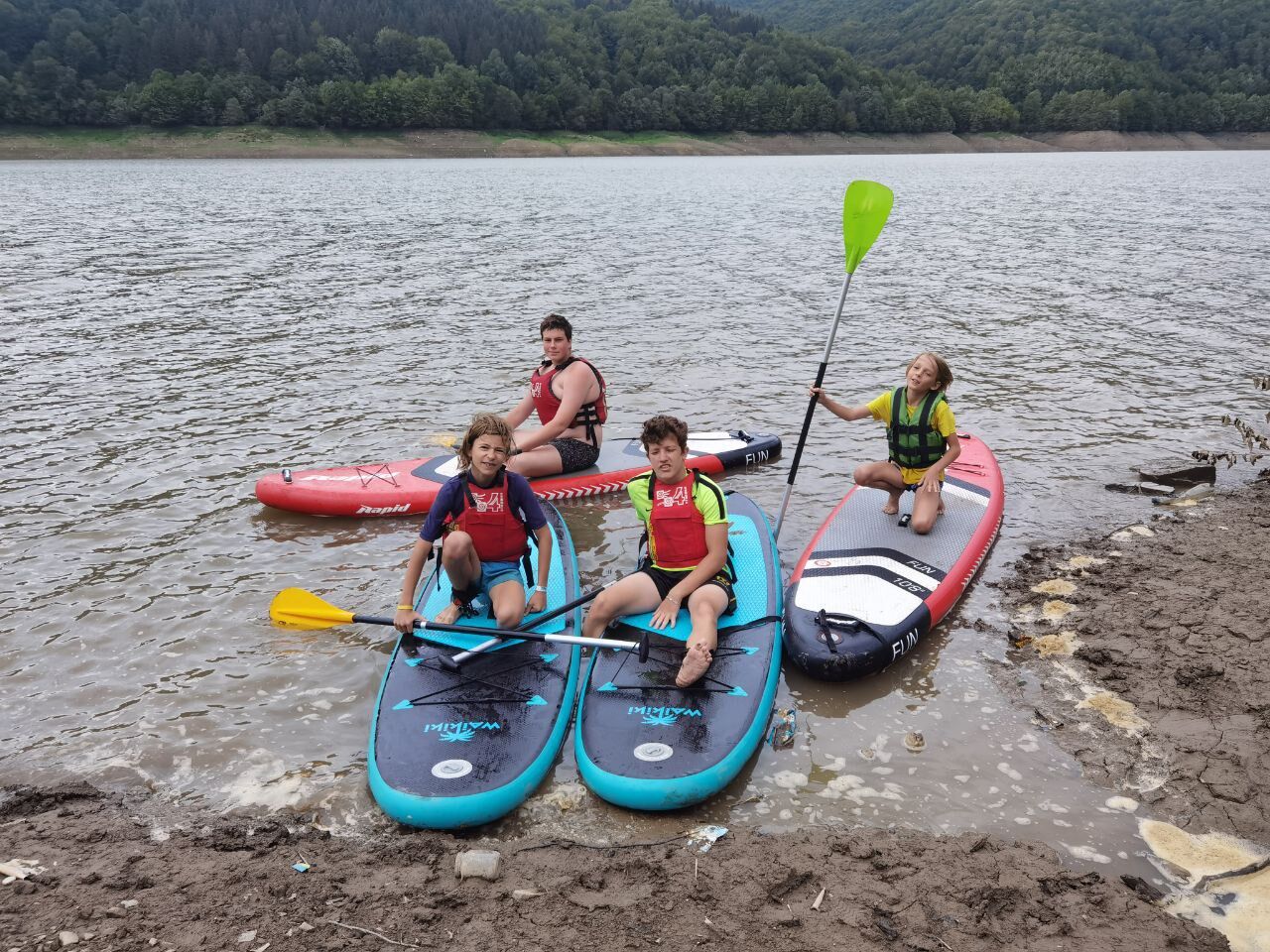
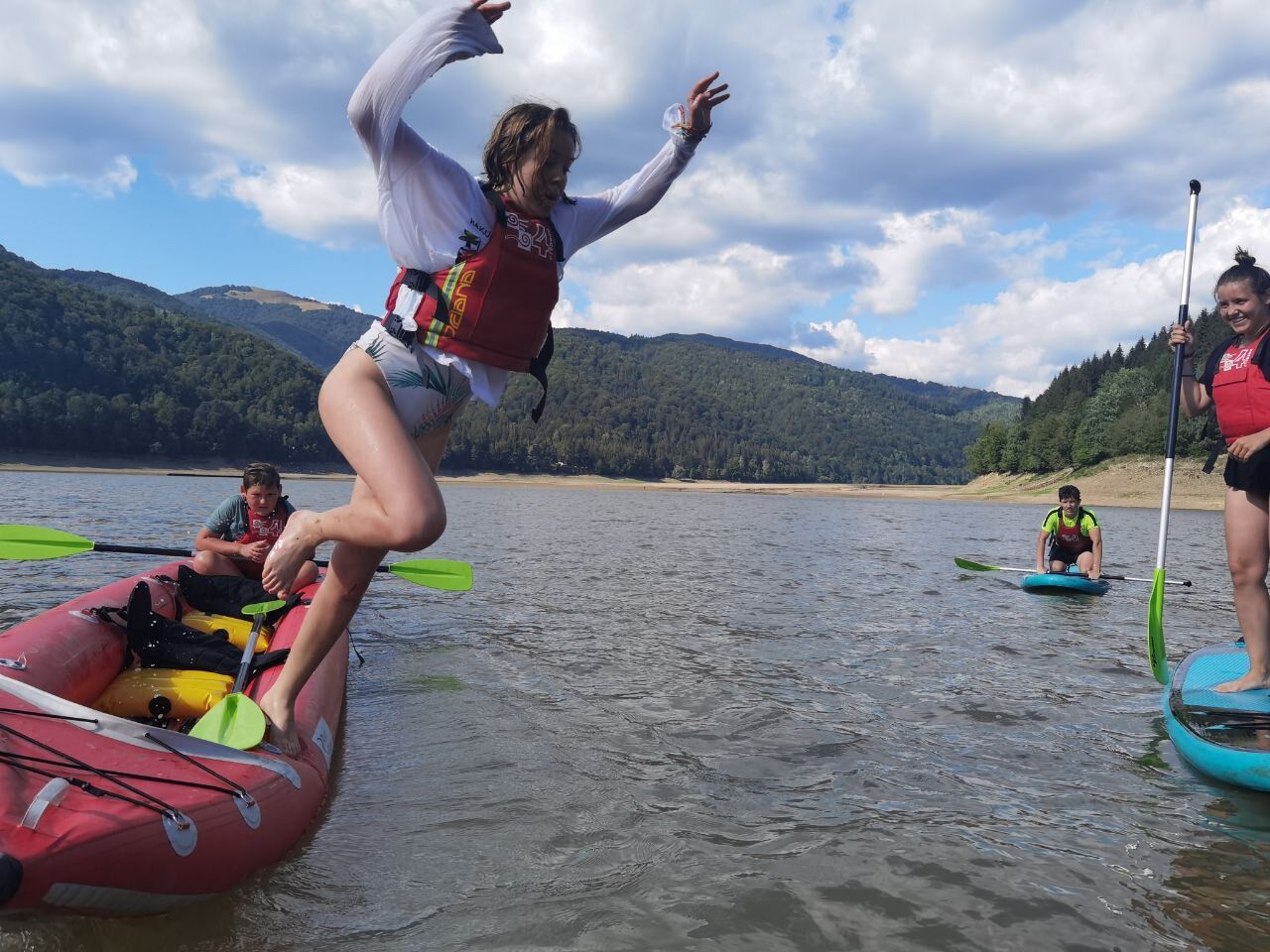
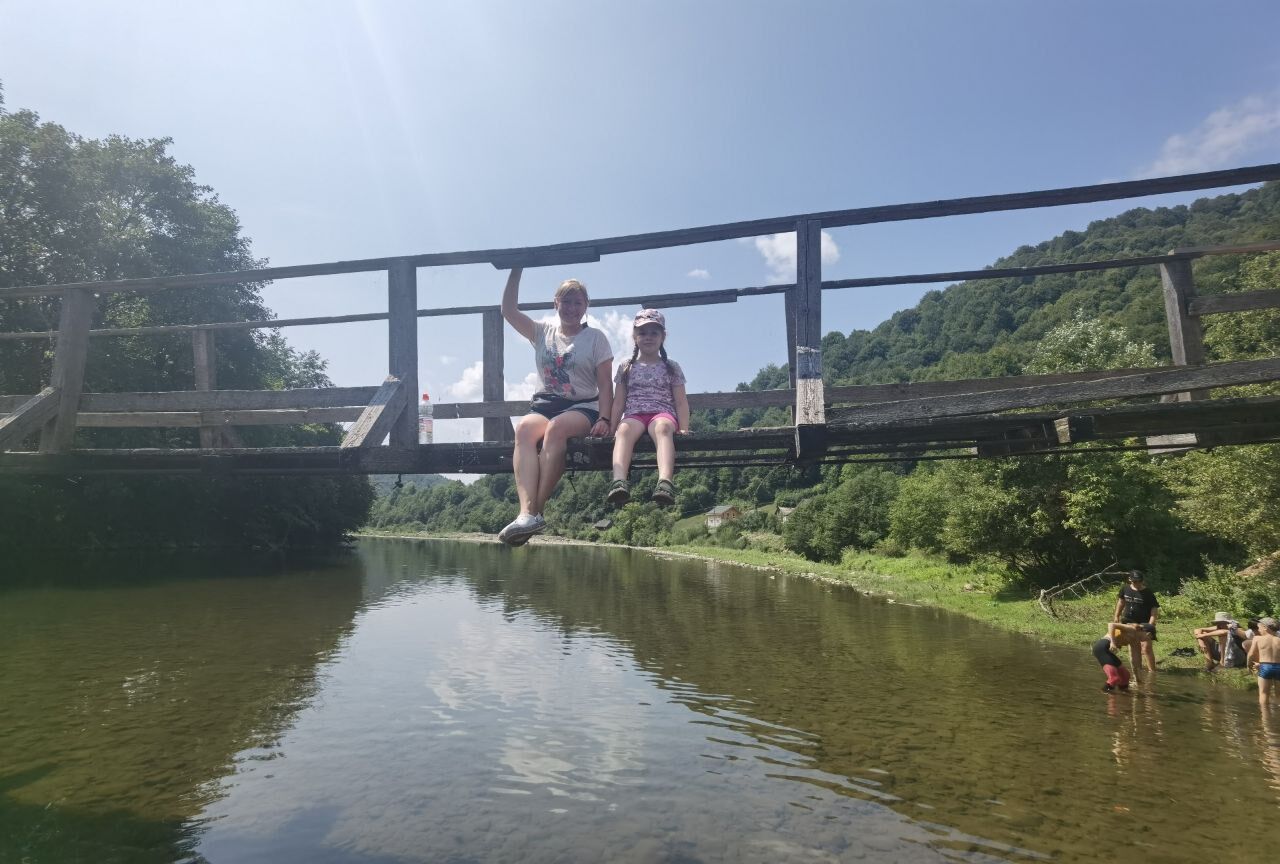
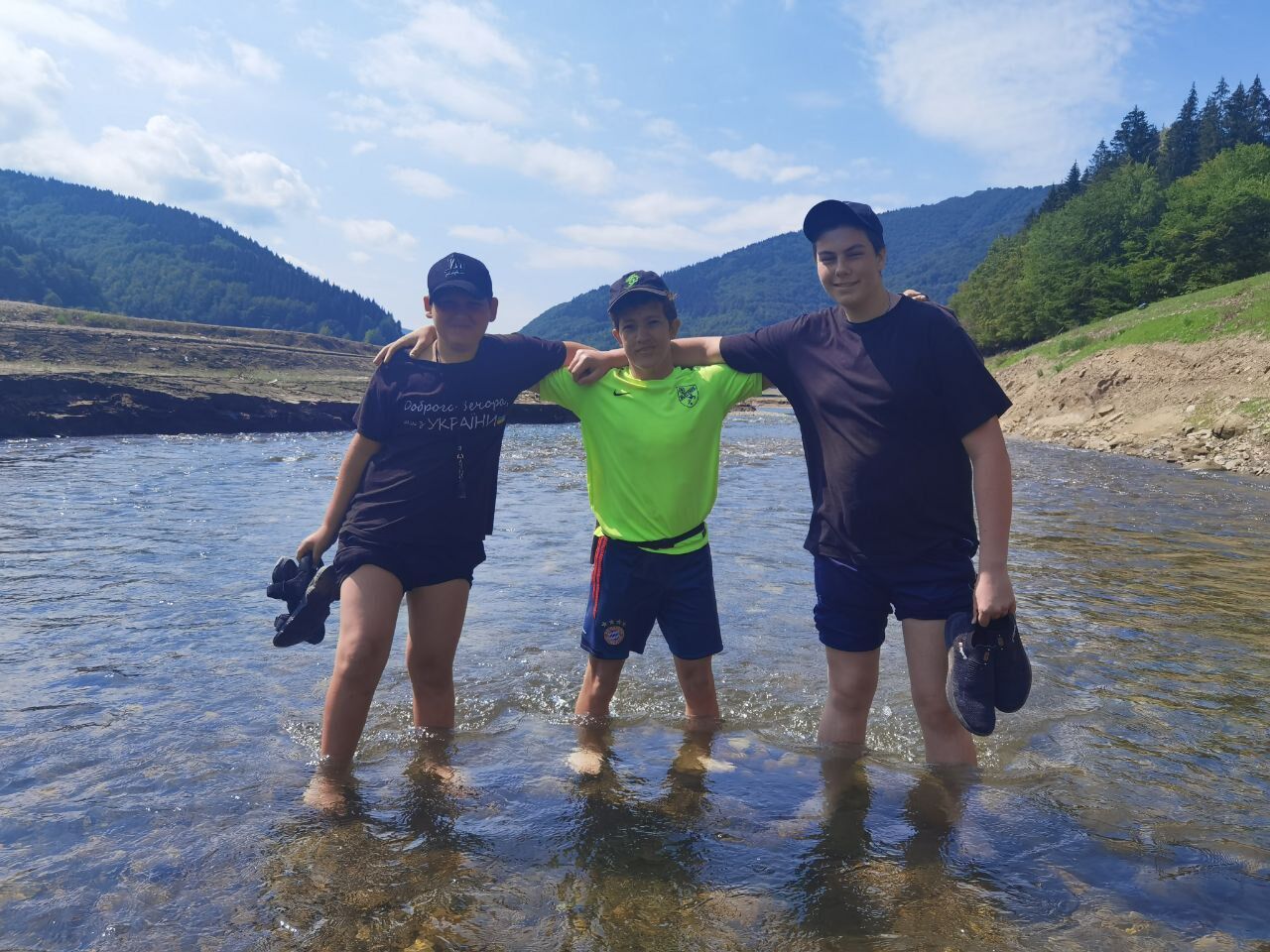
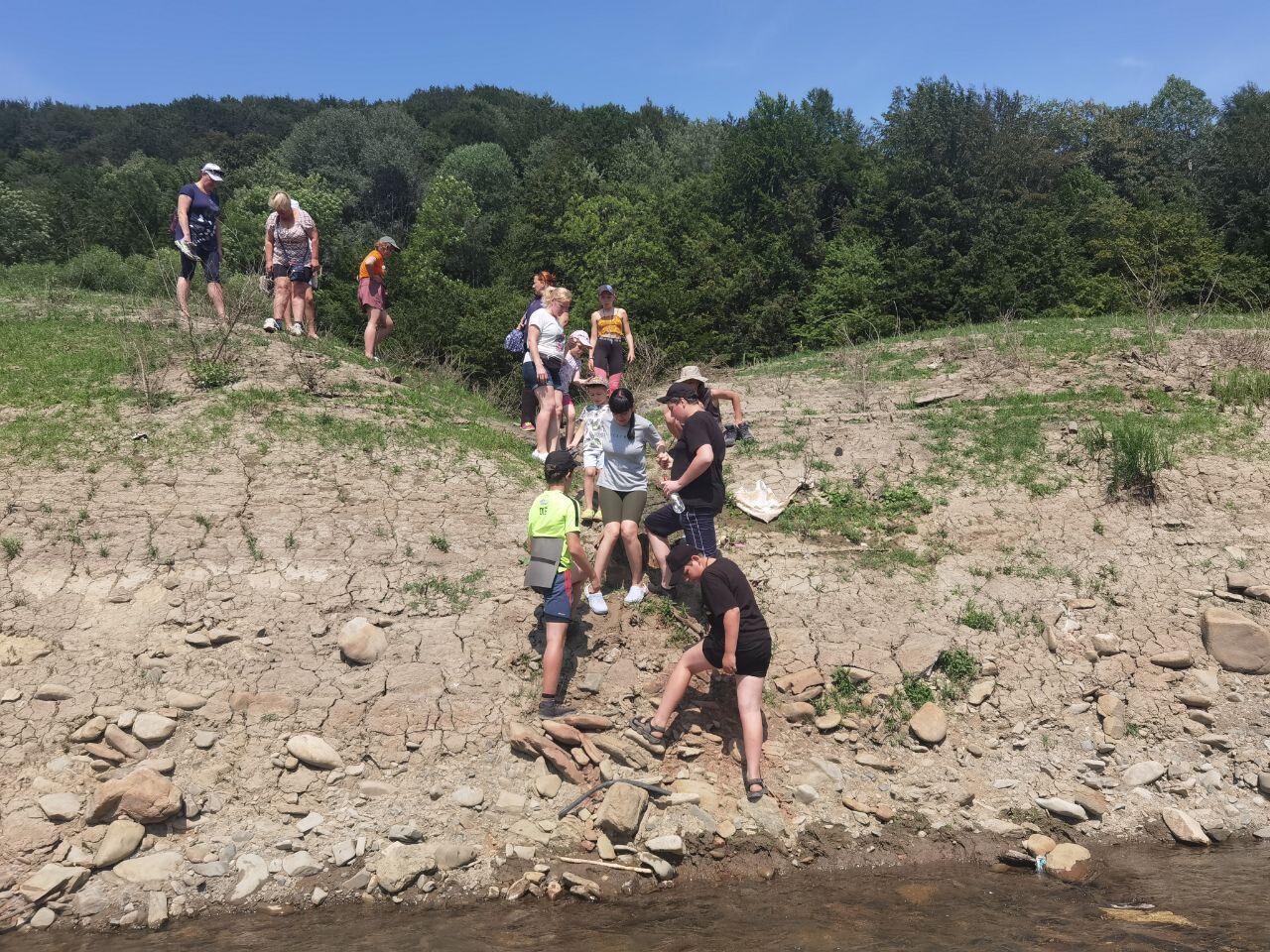
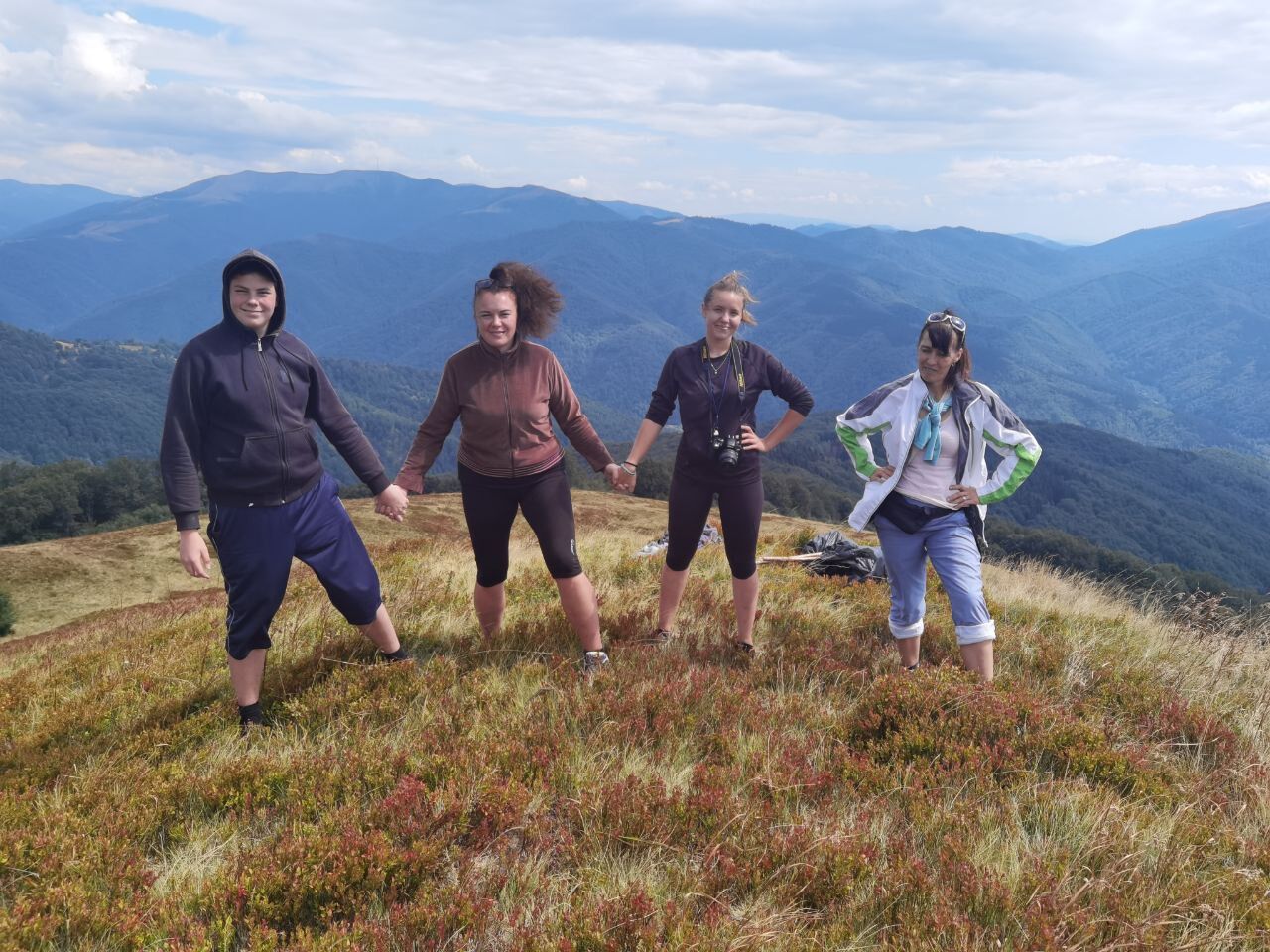
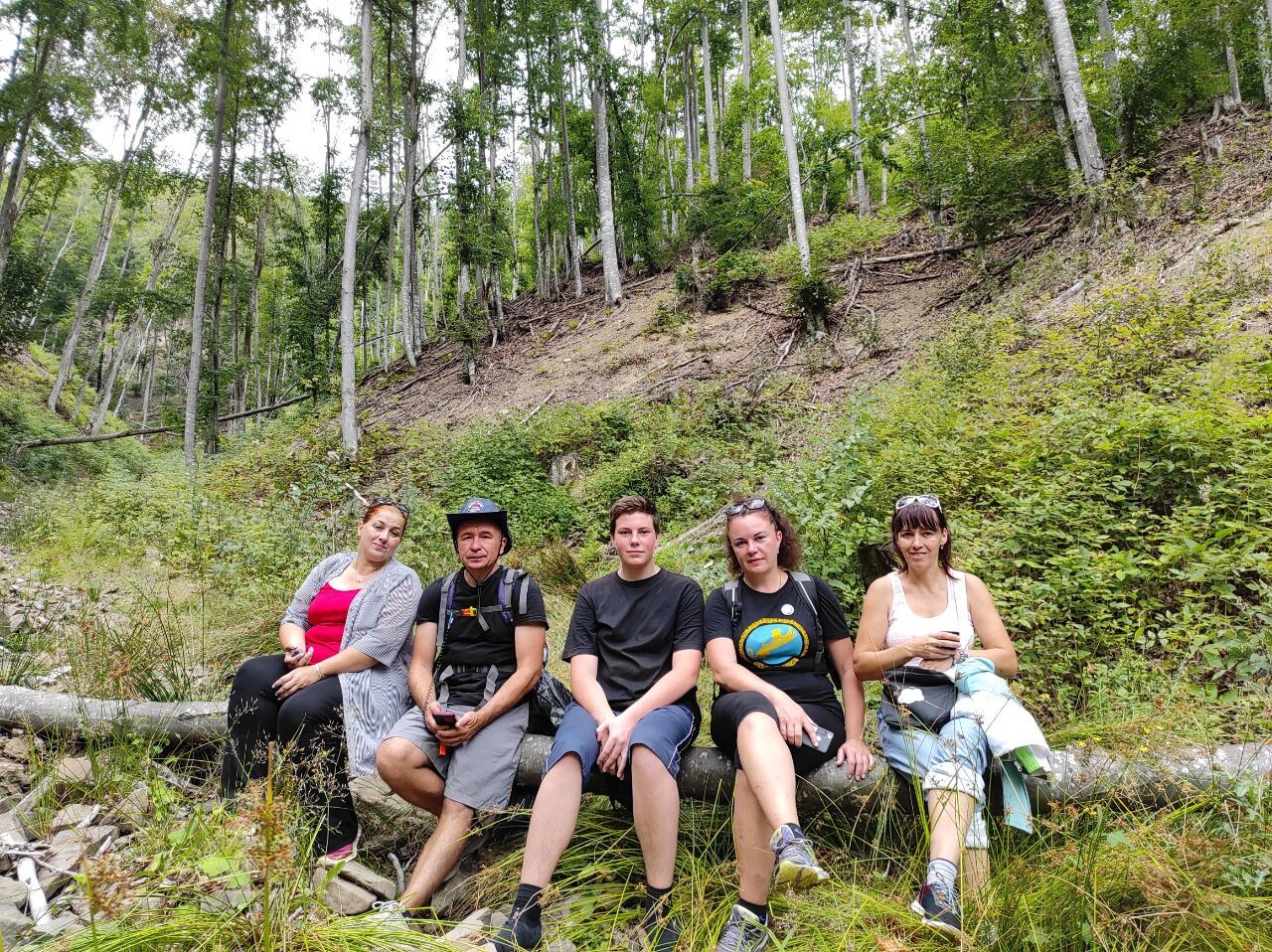
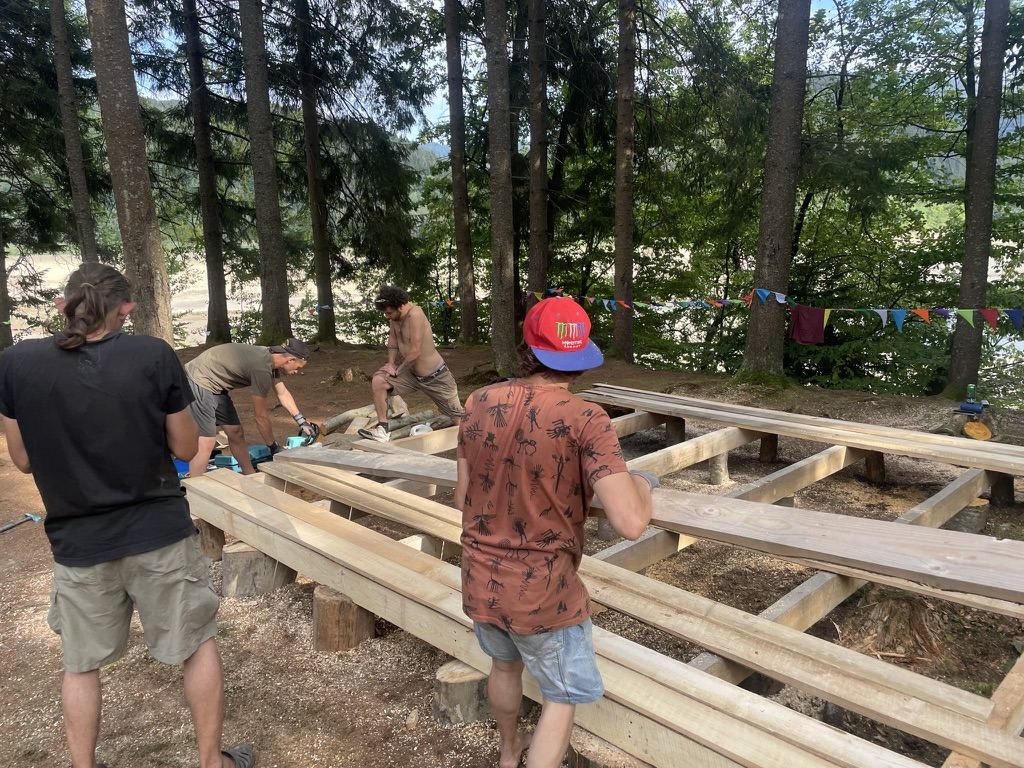
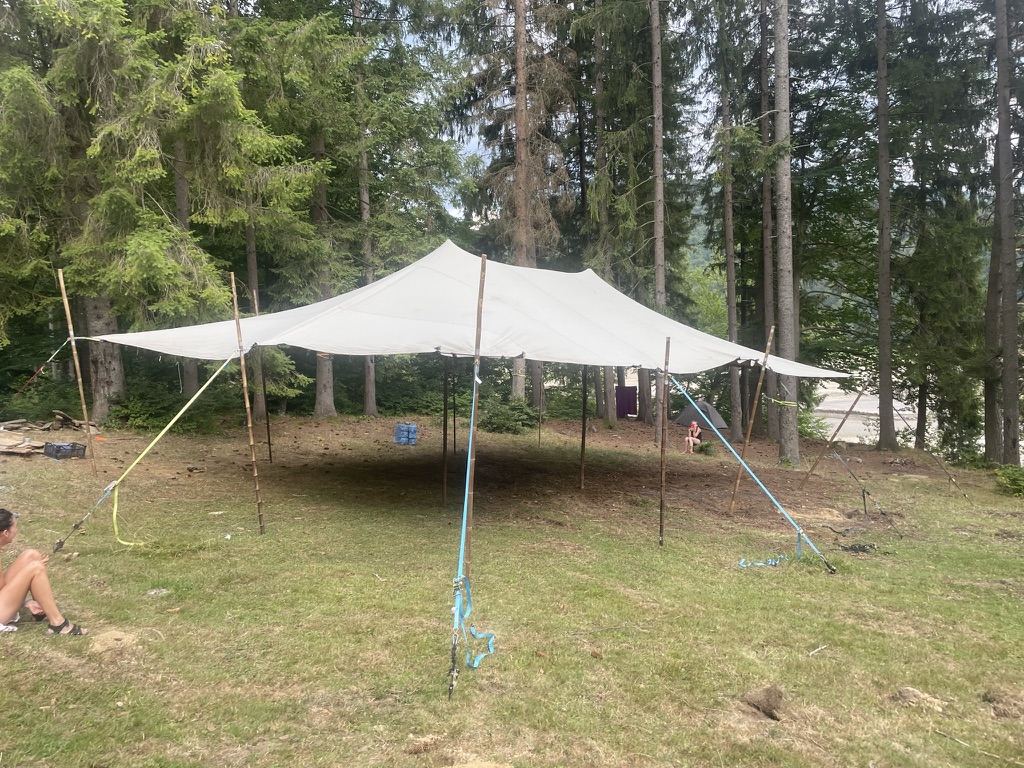
That sentence became the year. Dima Pavlenko’s company had leased a stretch of forest by a lake in Kolochava, in the Carpathians, and Kurenivka built its camp there instead of in the desert: a free summer camp for children affected by the war, and their mothers. There were kids of soldiers, including a family where both parents served, and mothers whose husbands were at the front.
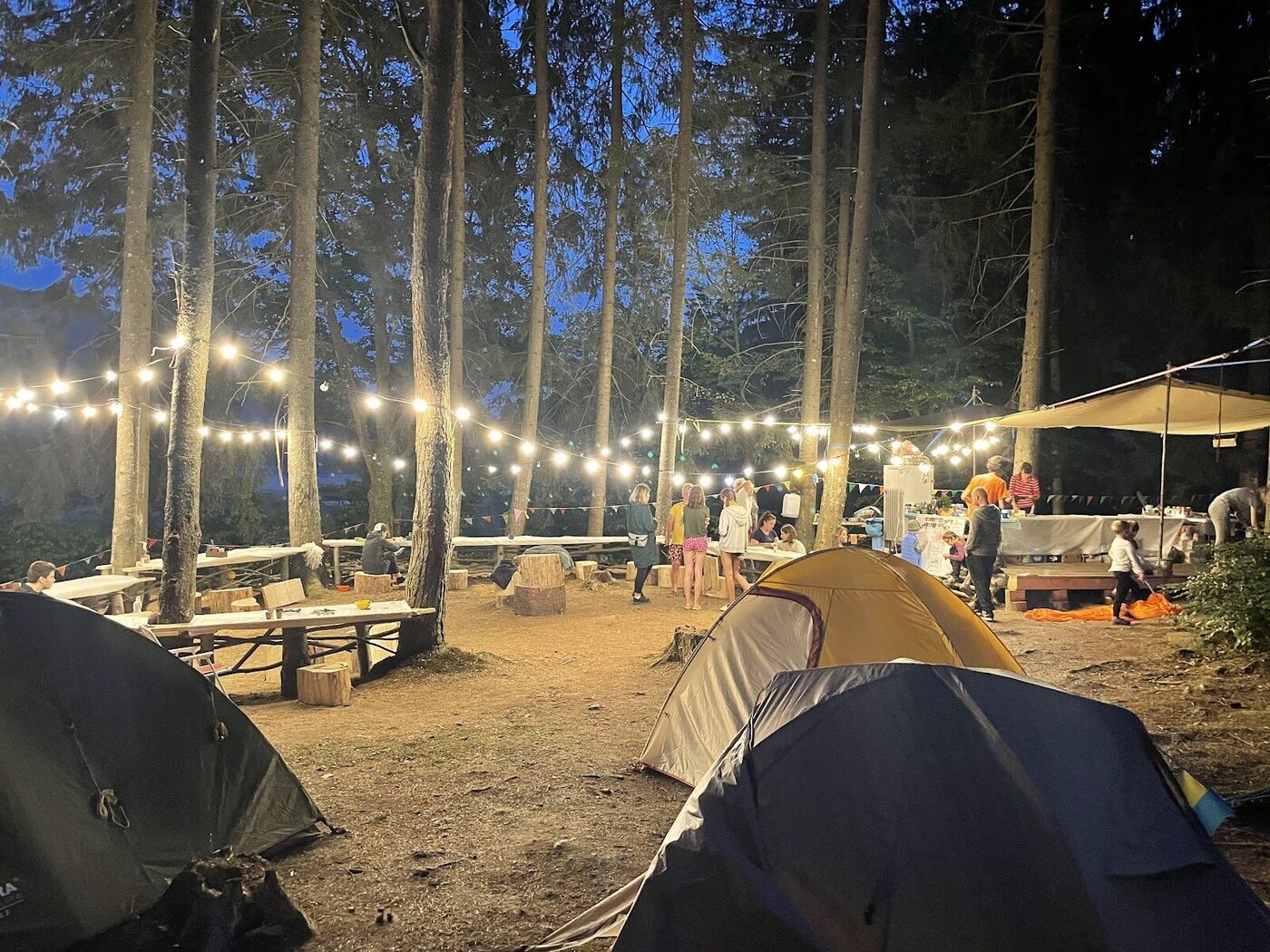
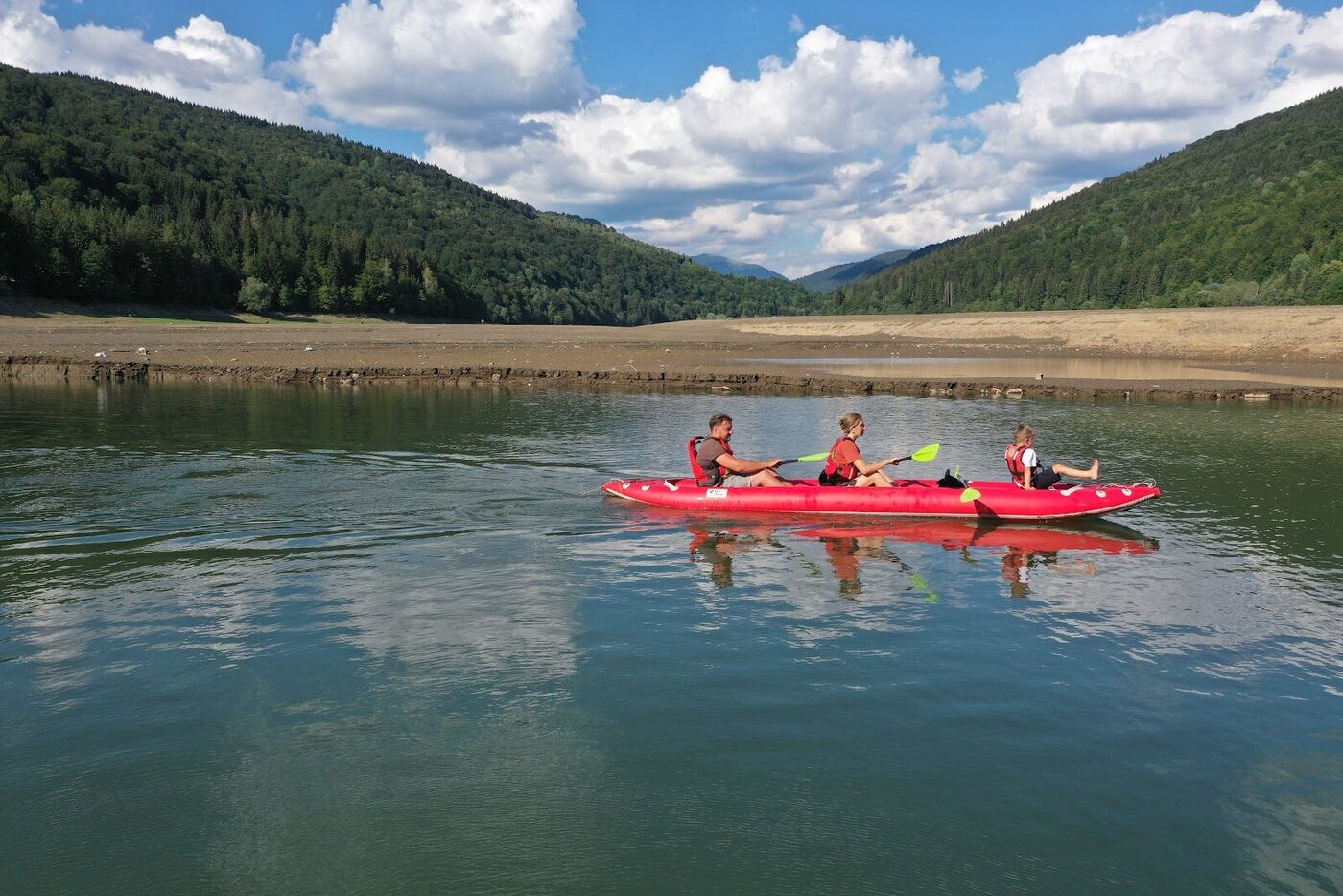
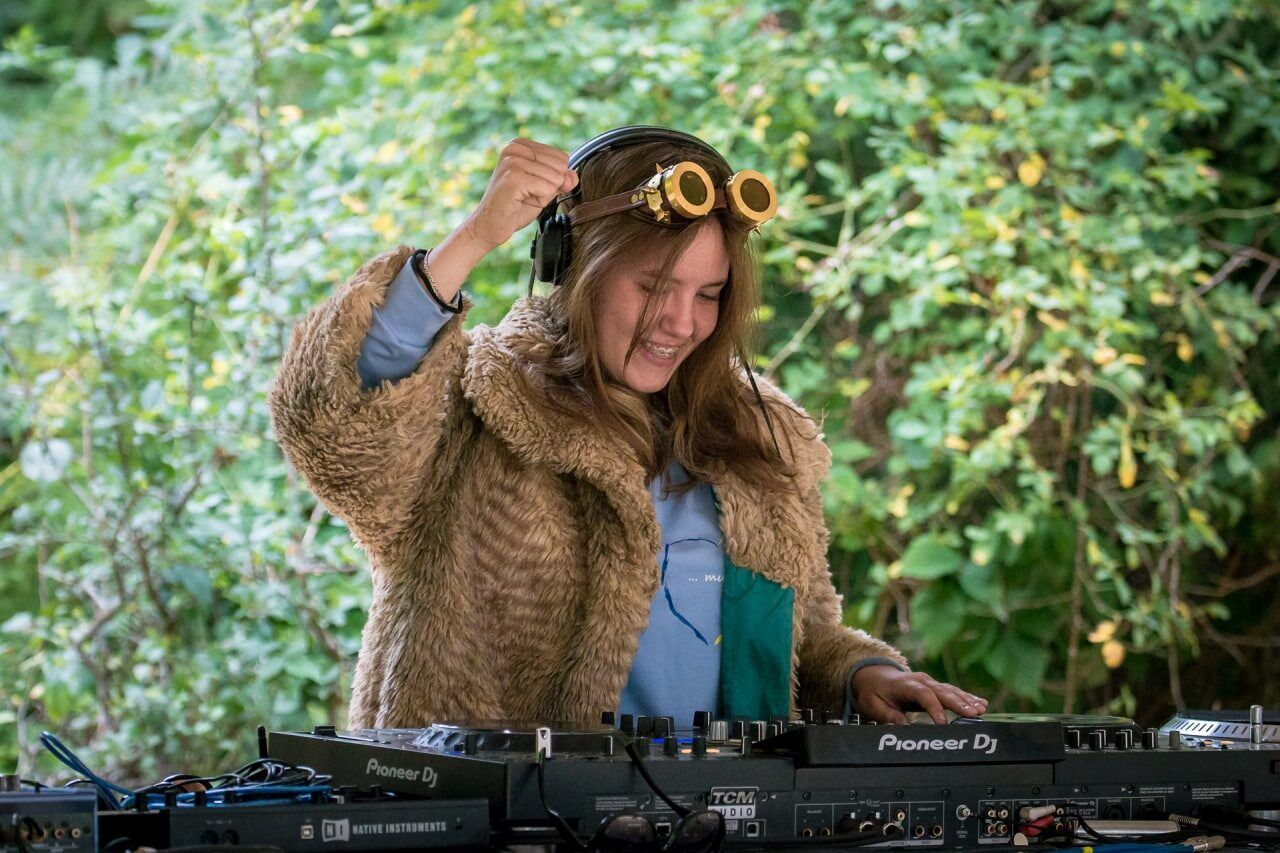
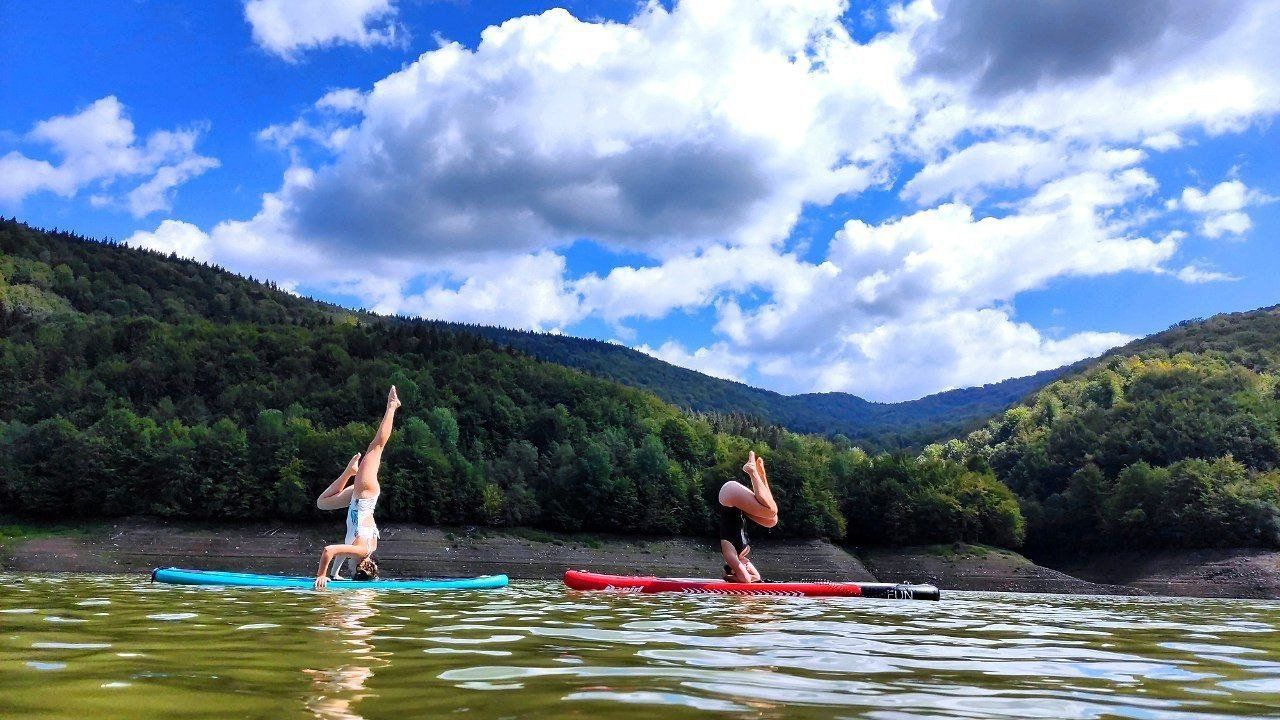
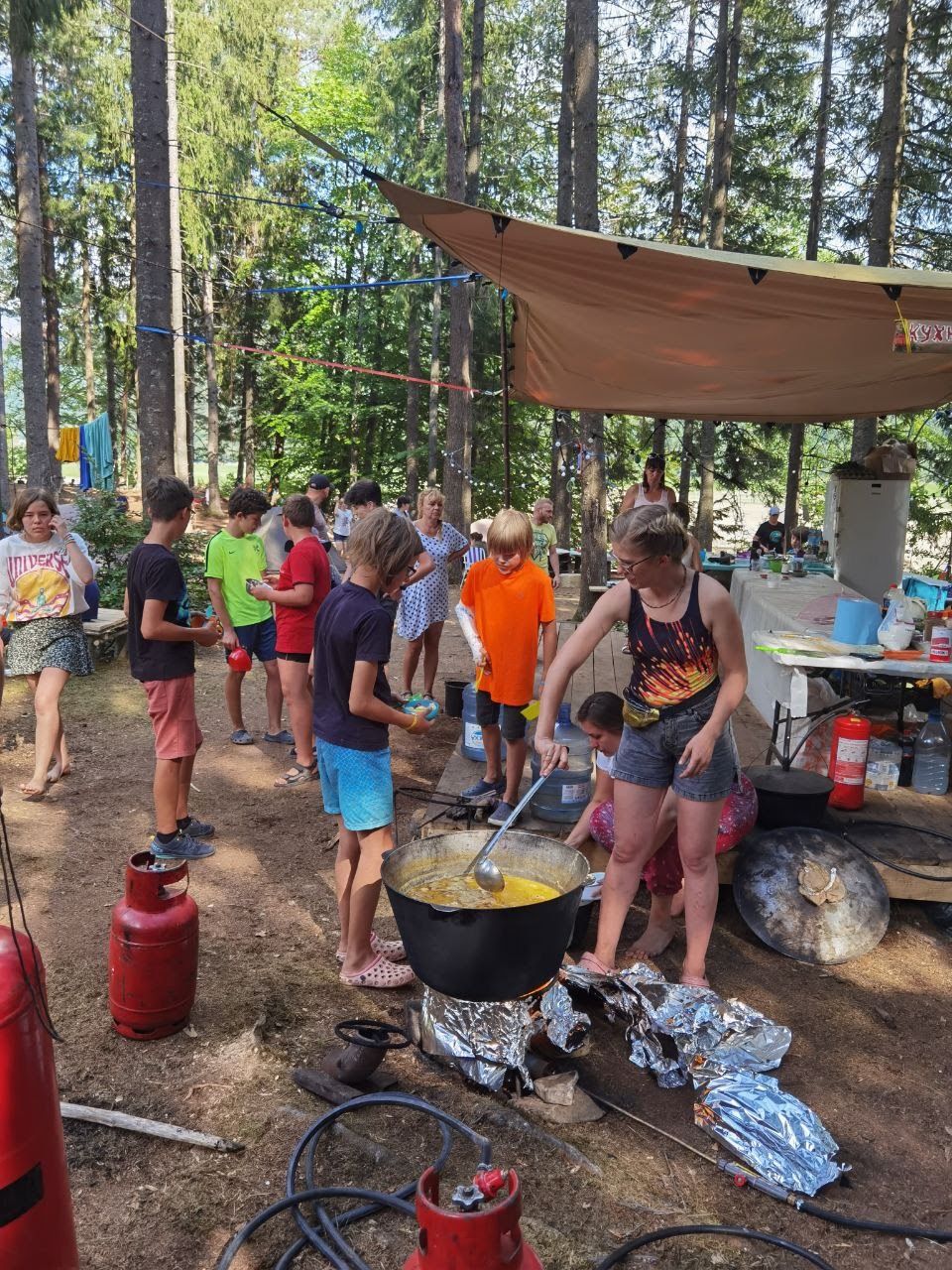
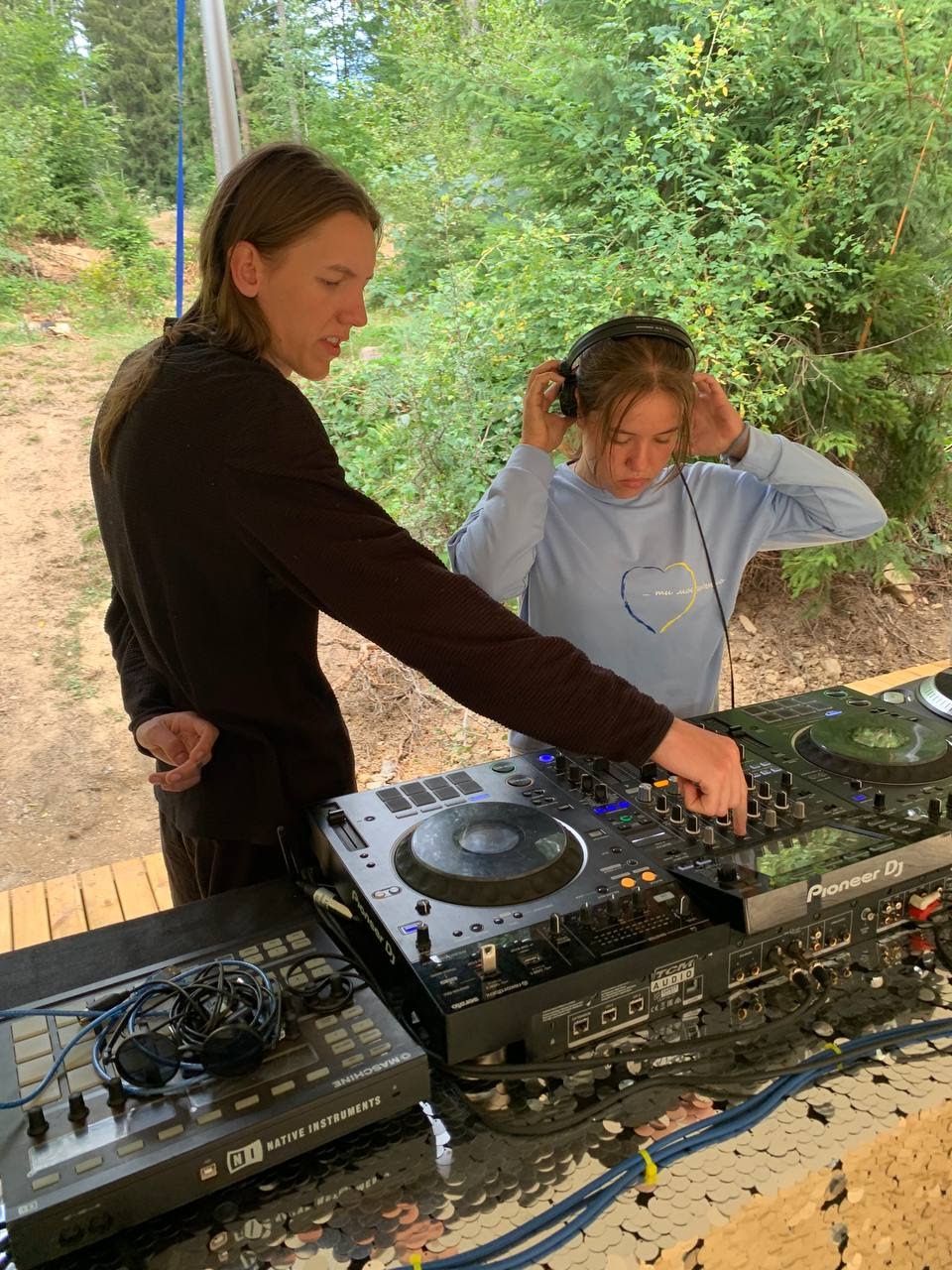
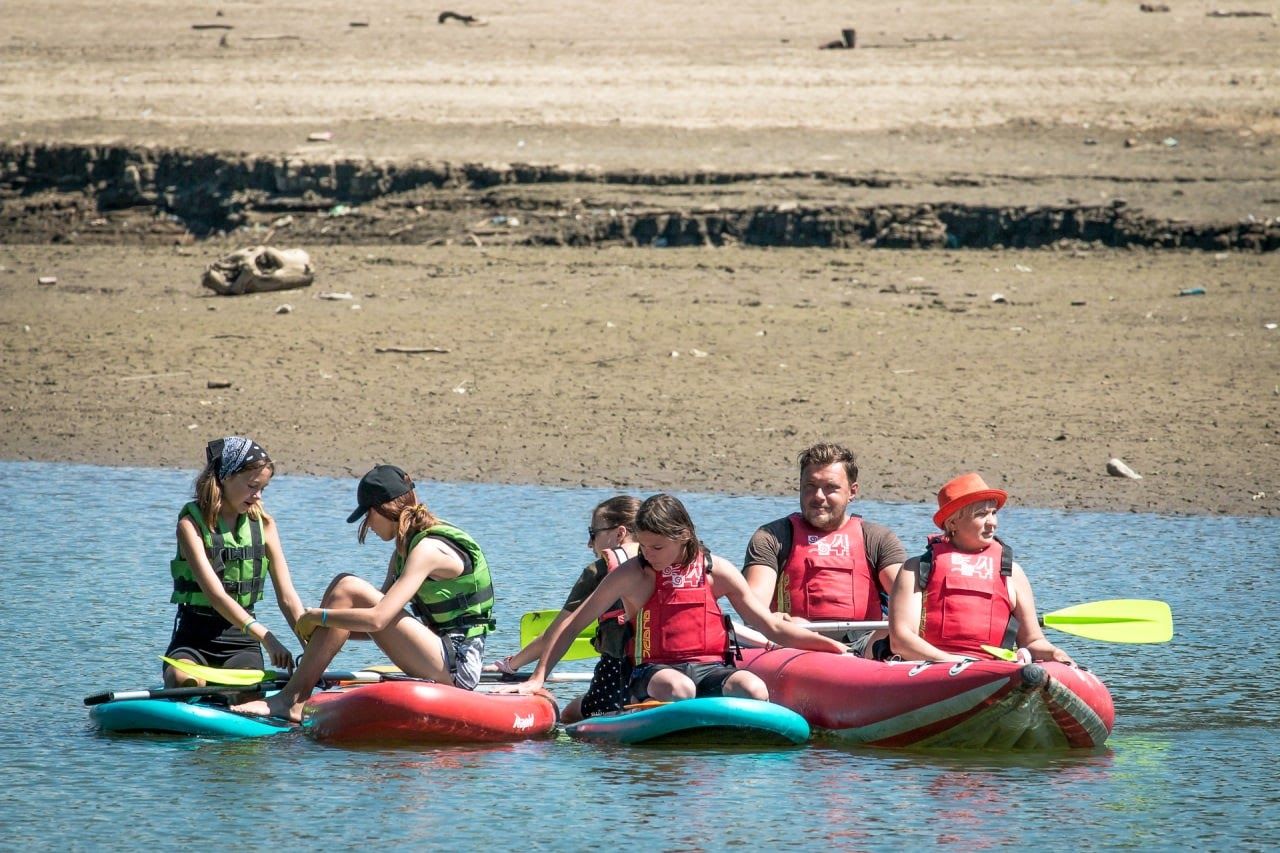
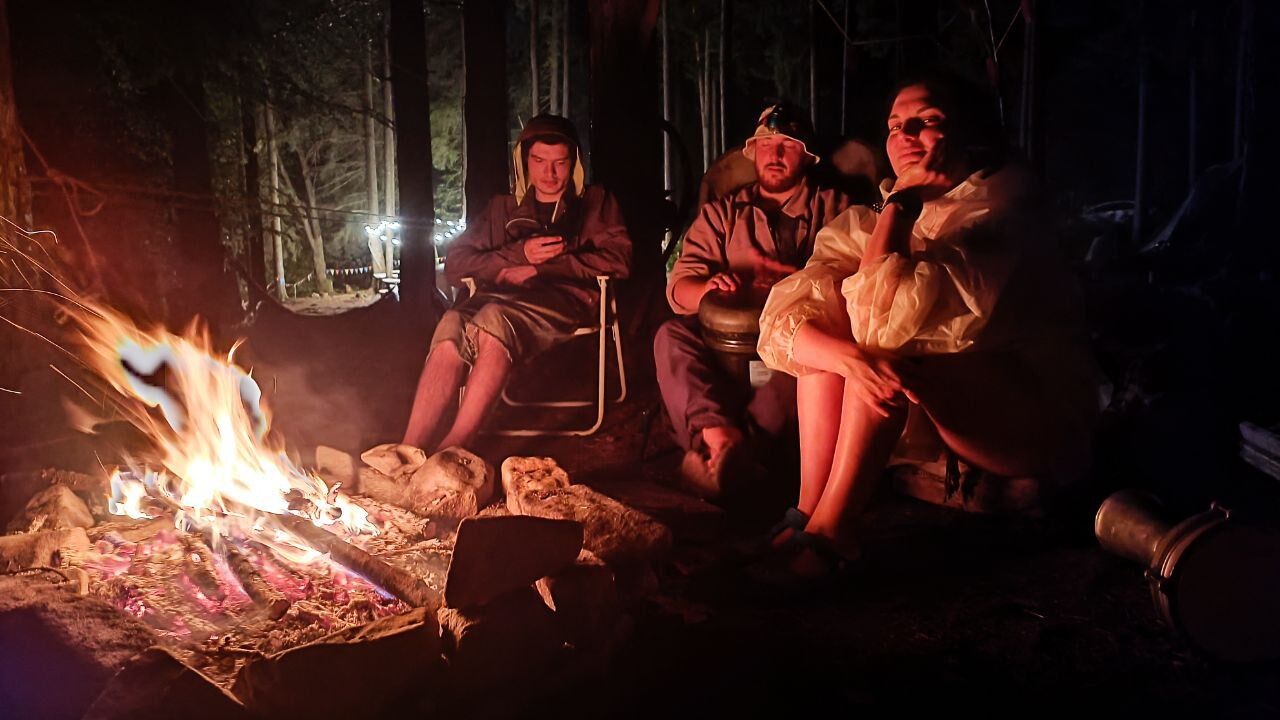
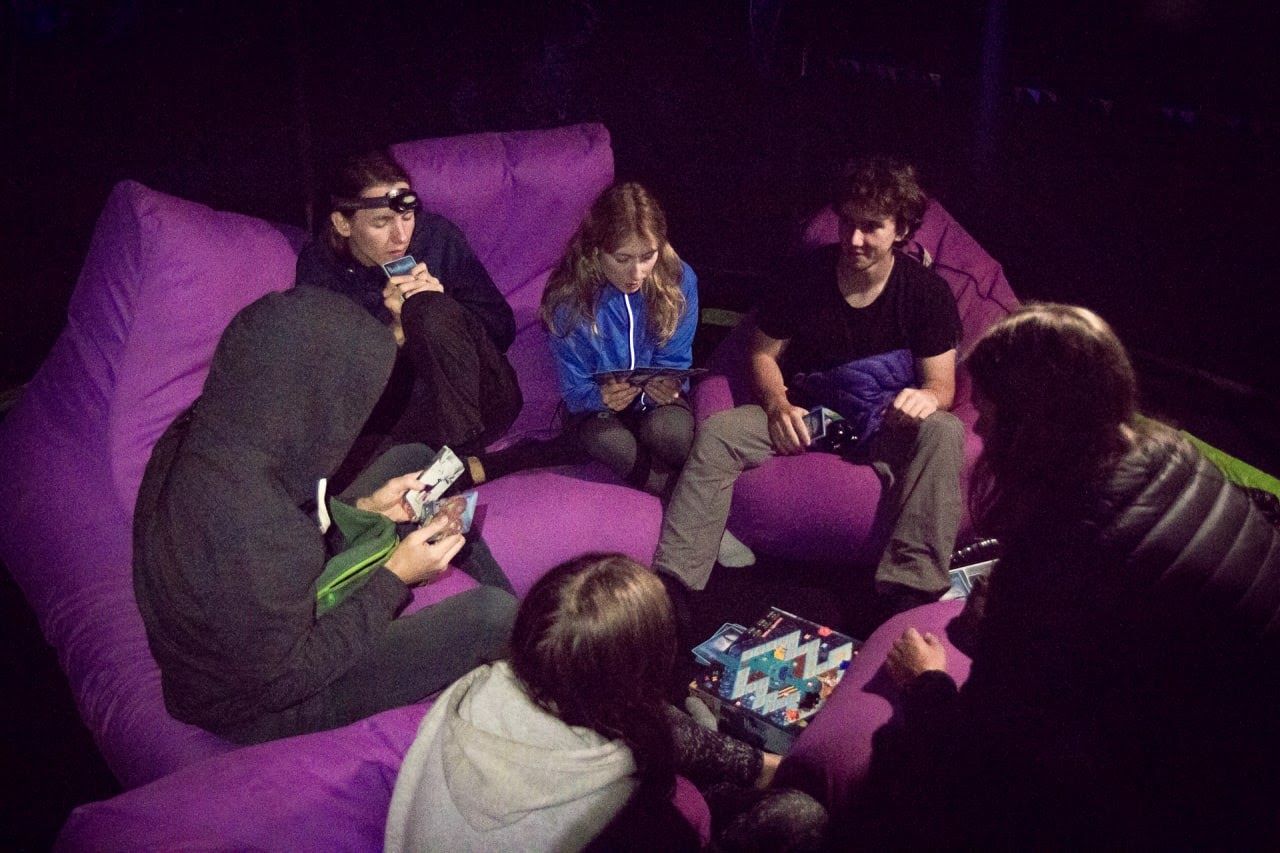
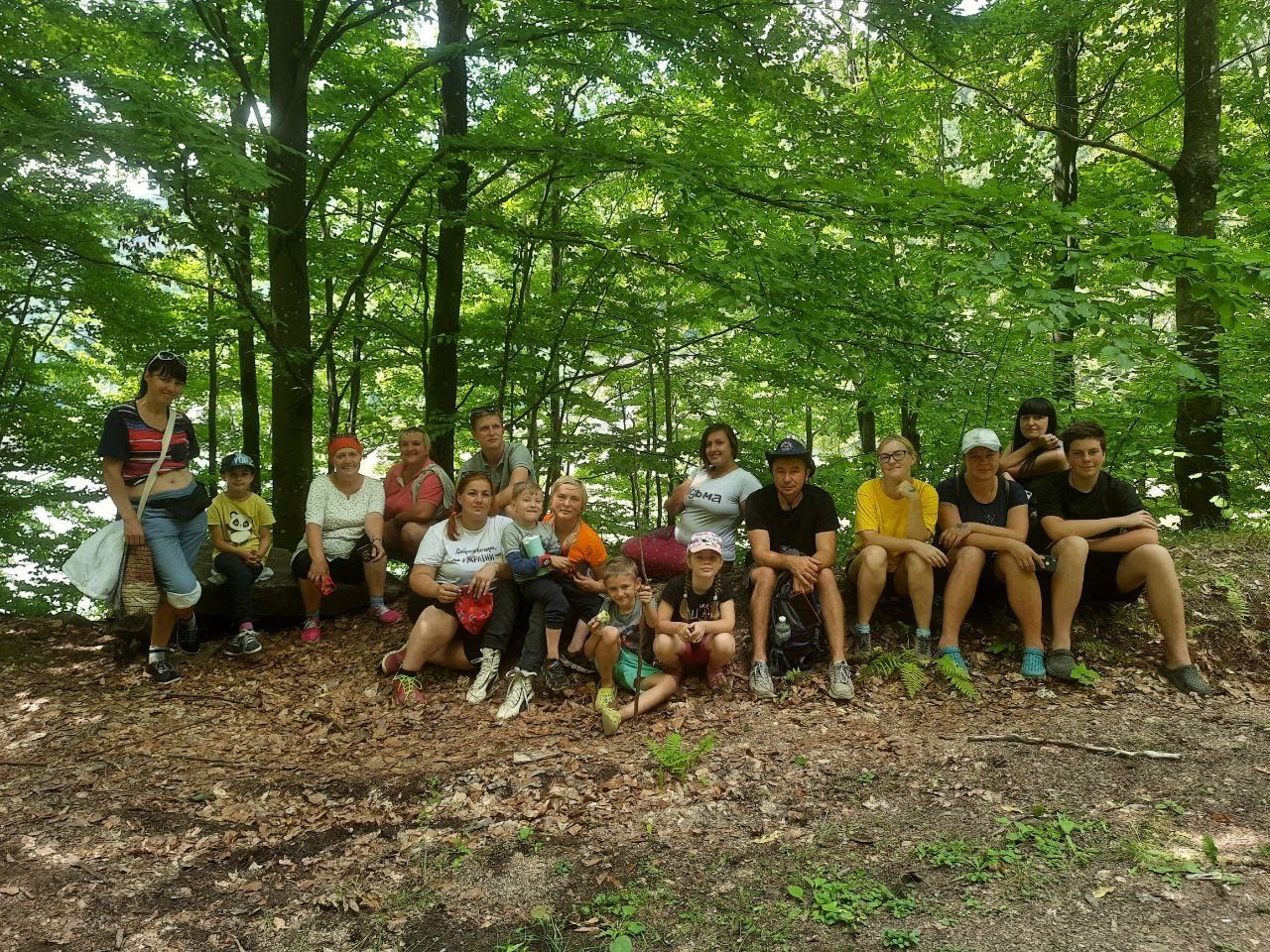
A rave would have been wrong that year. So there was a DJ school run by volunteers from Zhytomyr, kayaking lessons, tents, cooking on the fire and hikes. Families only had to reach Kolochava; the camp met them at the station and took care of everything else. When some couldn’t afford train tickets, Kurenivka bought them.
It was built by the Ten Principles, commercial-free. And during Burn week, on the same dates as the Burn, a small effigy burned in the Carpathians.
How the camp worked
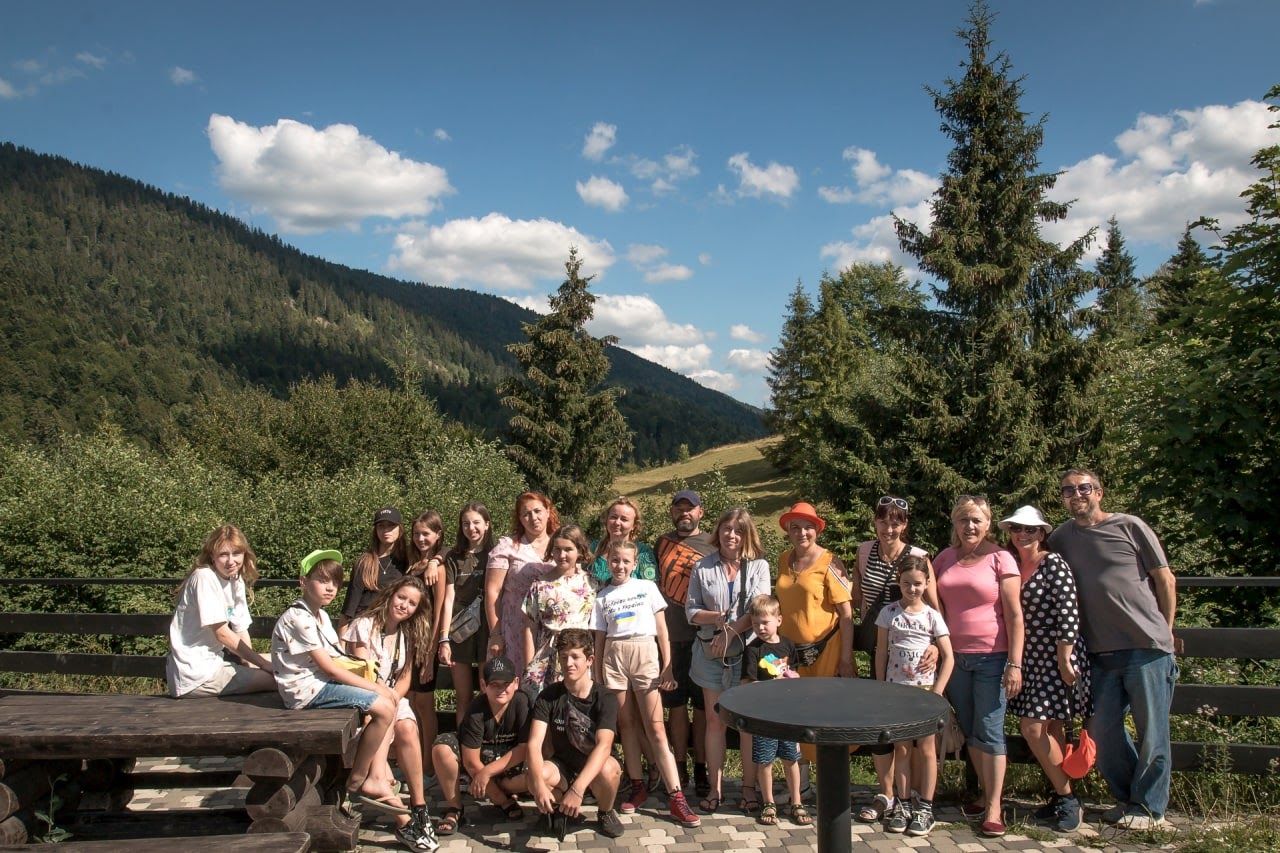
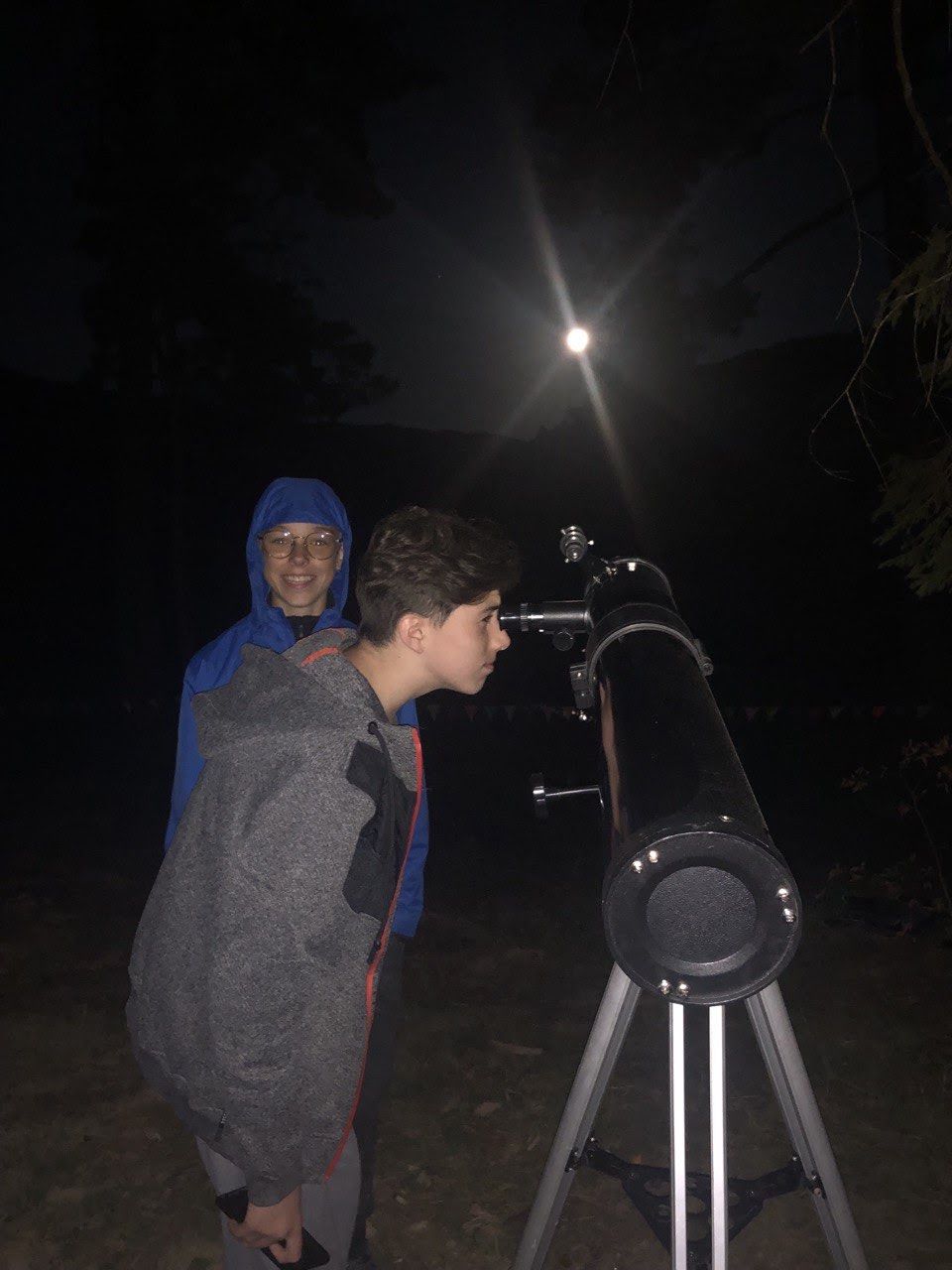
The camp was a tent town for children aged 4 to 16 and their parents or guardians: kids from occupied territories, children who had lost their homes or relatives, children of soldiers. It ran on the same principles as a camp in Black Rock City, translated for a forest.
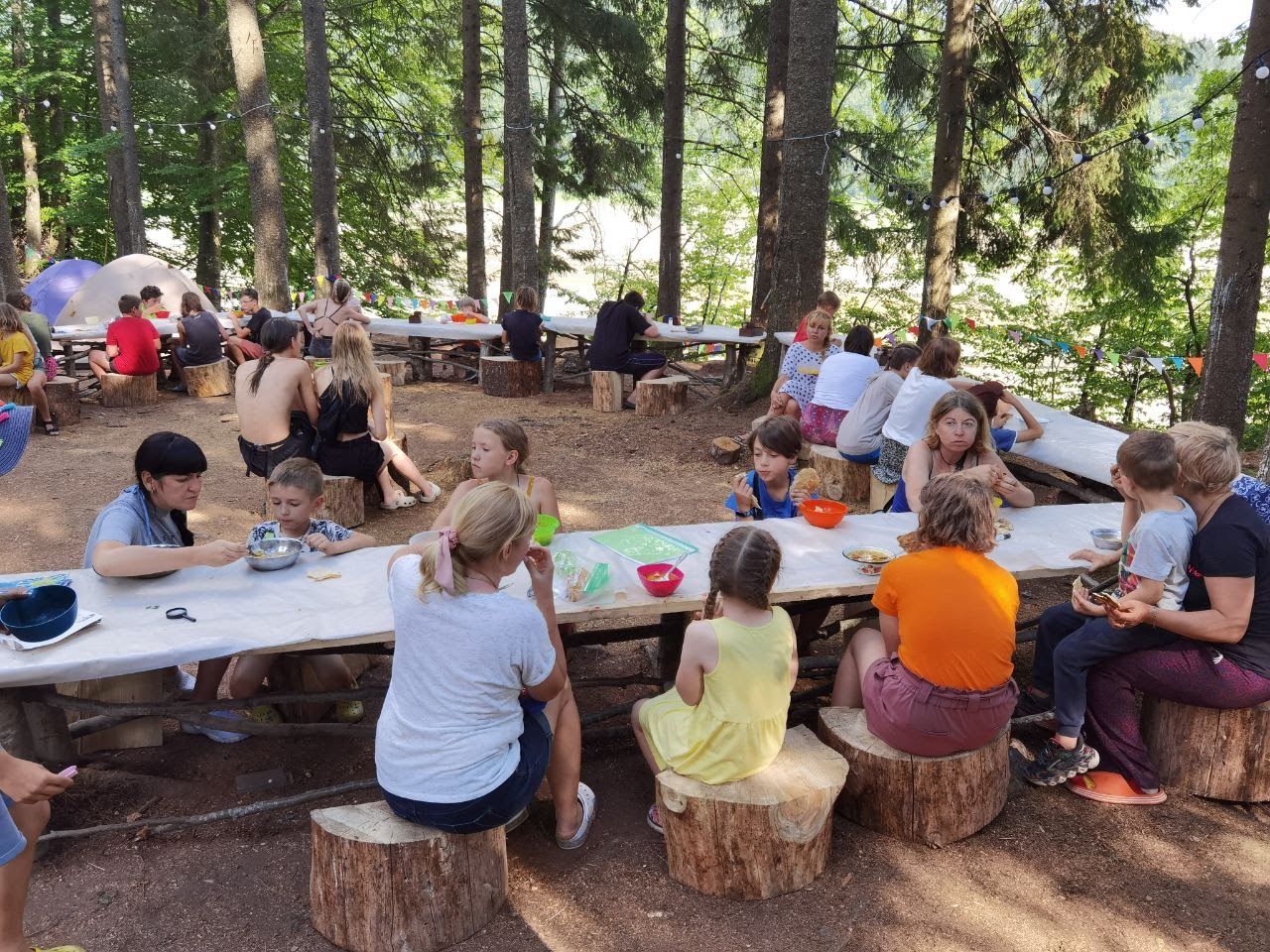
Civic responsibility came first: before anything else, Dima Pavlenko and the architecture agency LOT built a block with showers, toilets and washbasins in the woods. Communal effort meant the kitchen: food cooked from scratch on the fire three times a day, with children on the cooking crew and Yaro as chef.
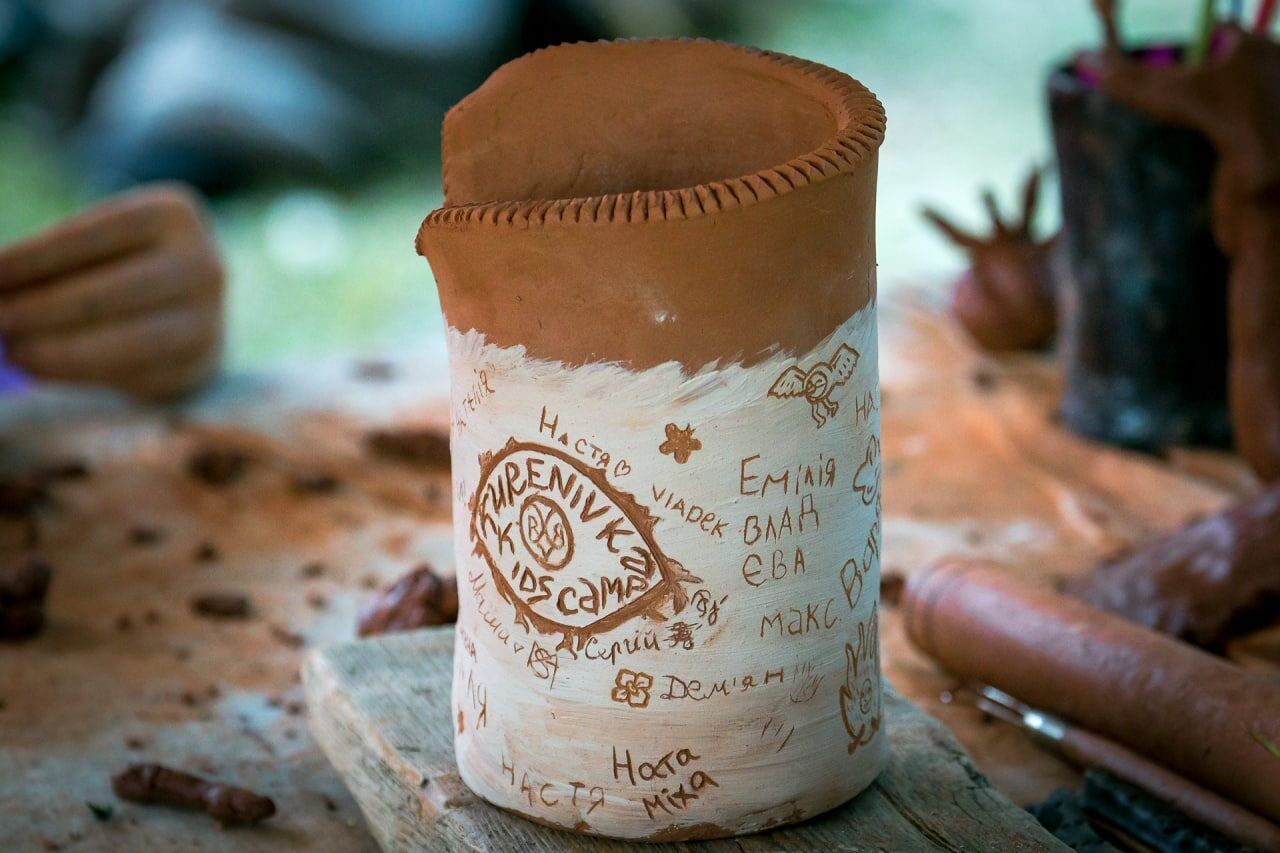
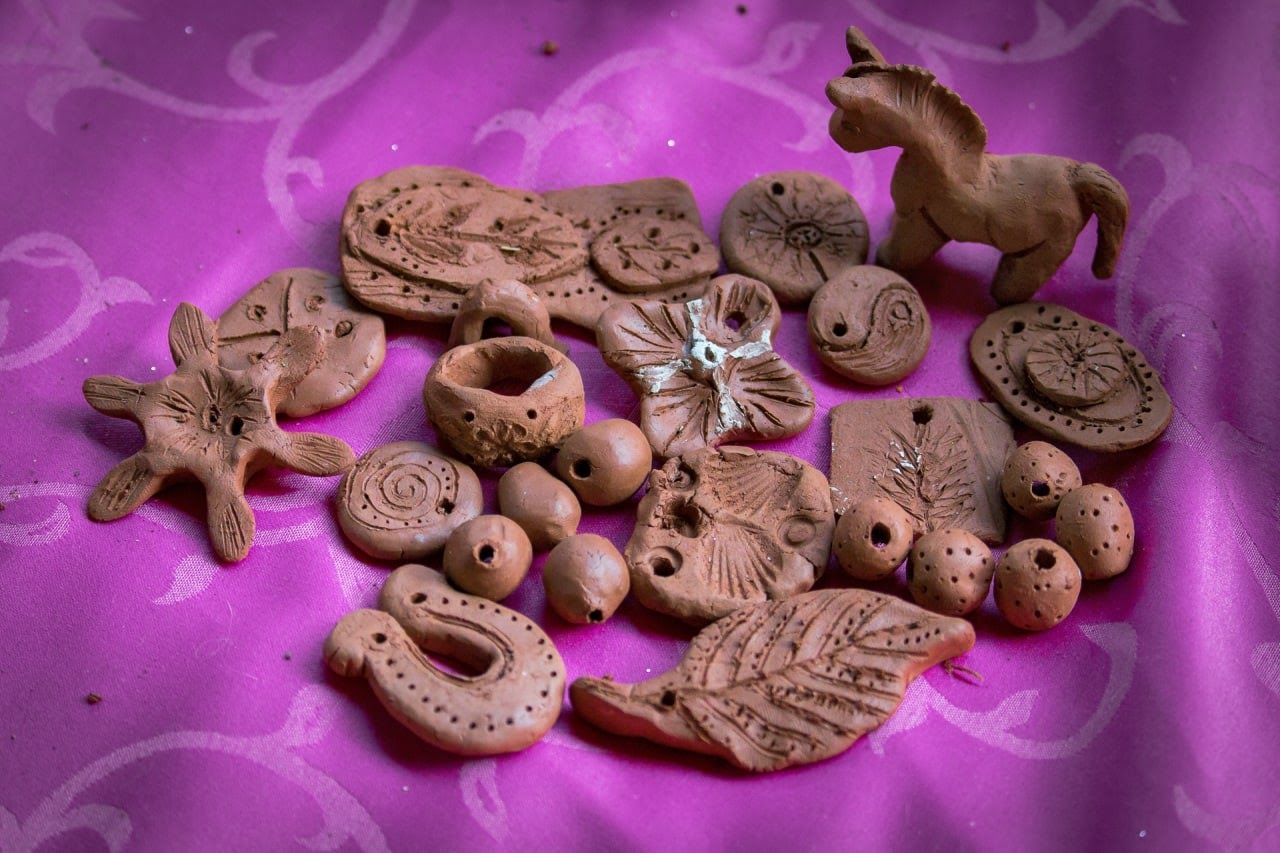
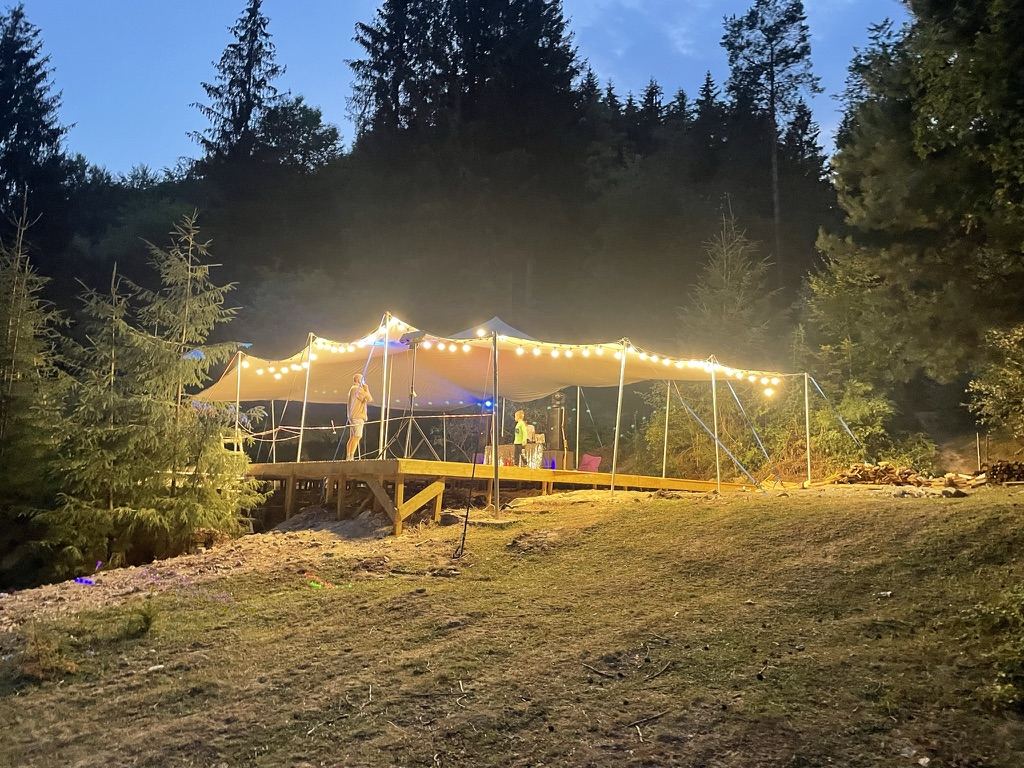
Radical self-expression lived in a big bright tent with a small but serious sound system. There was a DJ school led by Sasha Dymov, and films in the evening. Gifting lived in a ceramics workshop with a small gas kiln, where the kids made pieces as presents for the people who had donated to the camp.
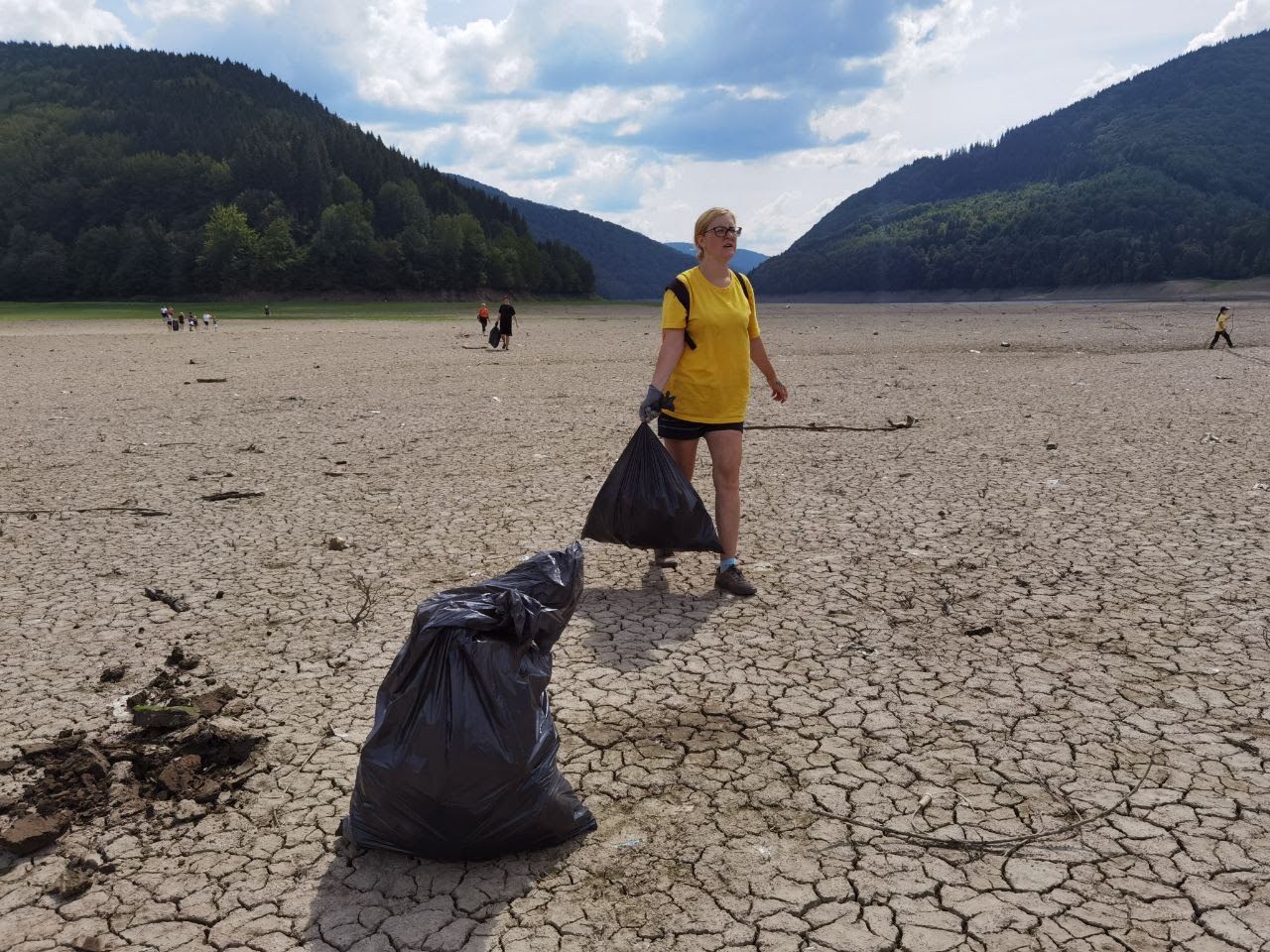
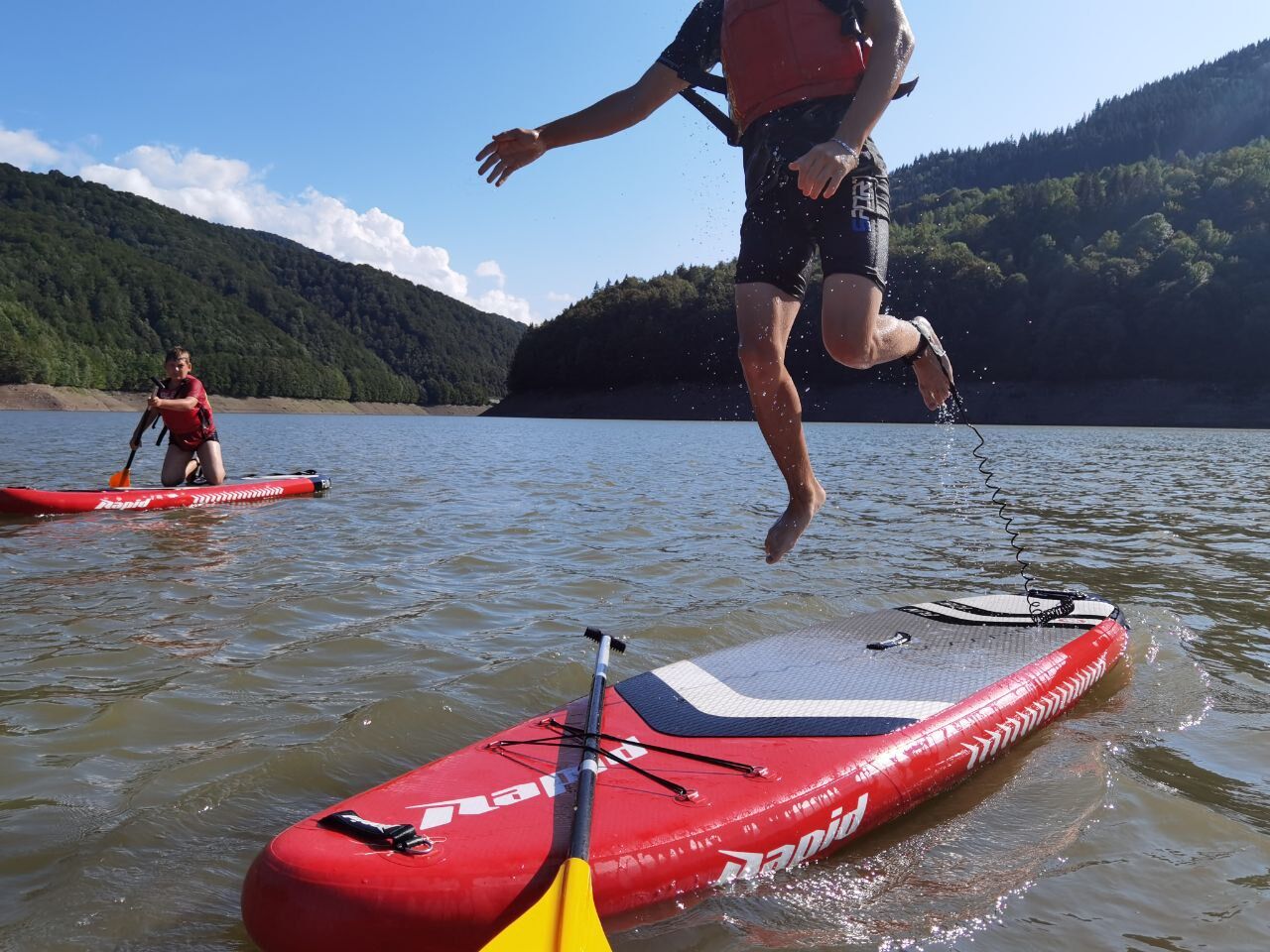
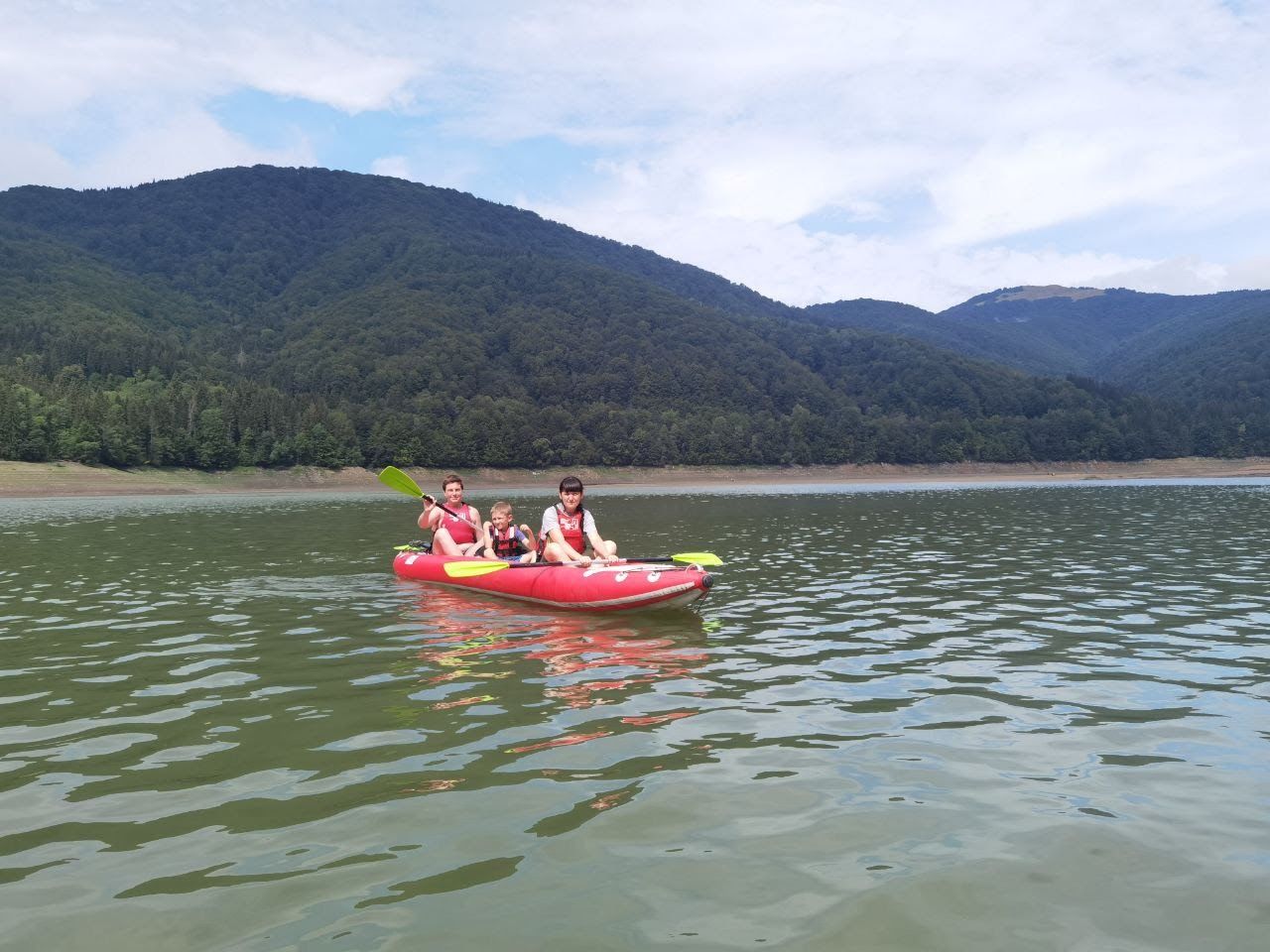
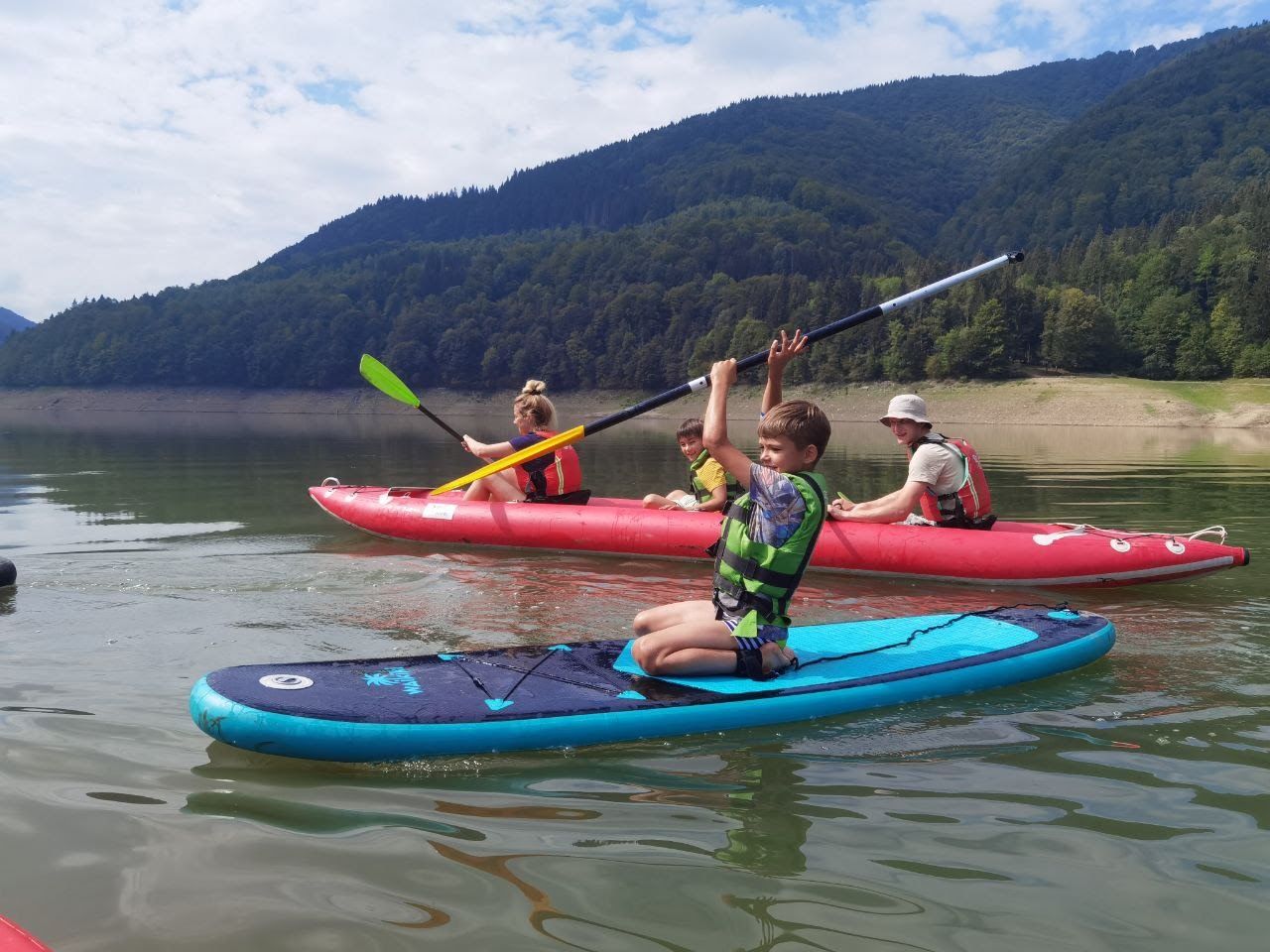
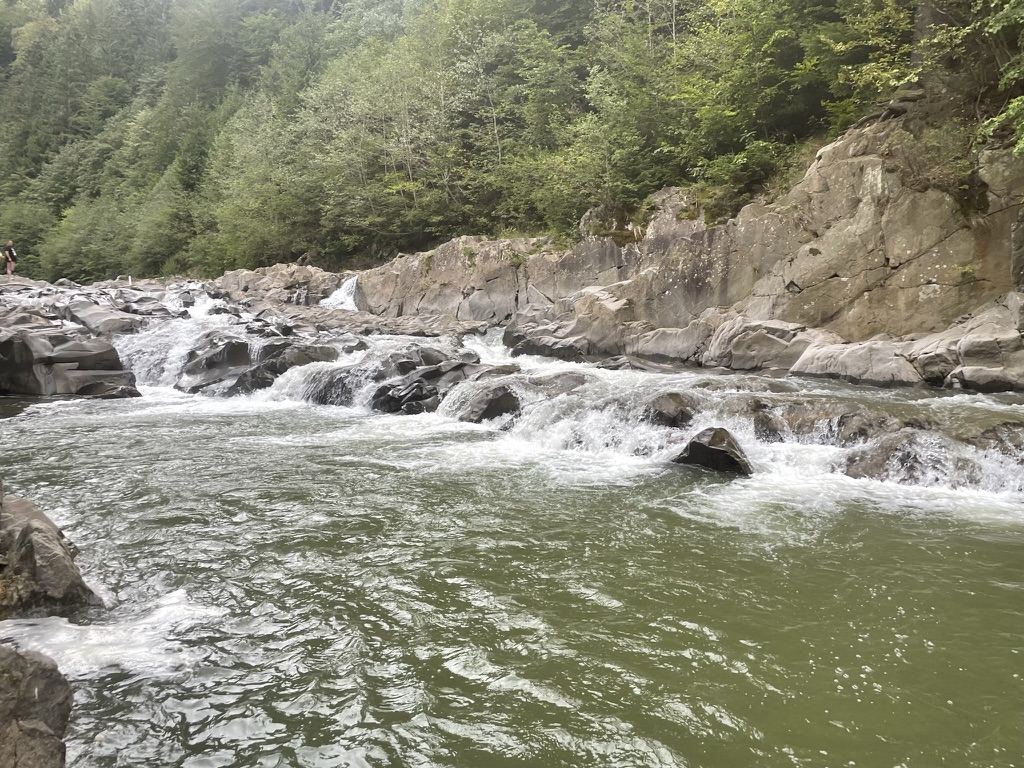
On the reservoir, professional instructors taught kayaking and SUP. Leave No Trace became a recycling station and plastic collection in the forest and along the shore, a habit meant to start in childhood.
Over three weeks the camp hosted more than a hundred people, seventy of them children. A professional child psychologist was on site. The money came from burners in the US, Germany and Lithuania, and from a grant by Nova Ukraine.
Thank you to our donors: Kurenivka Kids Camp was supported by Nova Ukraine, Dima Pavlenko and the International Burners Community.
Were you here in 2022?
New names appear after a quick check by the camp.
More from 2022
2022 in the press
-
25 Oct 2022
-
1 Apr 2022